







What Is Engine Management System (EMS) ?
Modern vehicles are technological marvels, and at the heart of their performance lies the Engine Management System (EMS). Far more than just managing combustion, this sophisticated network acts as the true “brain” of your car. It precisely controls the complex dance of mixing air and fuel, igniting the mixture in the cylinders, and constantly optimizing everything for peak efficiency, power, and cleanliness.
The EMS integrates over 30 components and up to 50 computer modules, executing millions of lines of code every second. Its primary mission? To ensure your engine runs smoothly, powerfully, and as cleanly as possible.
The Mastermind: The Engine Control Unit (ECU/PCM)
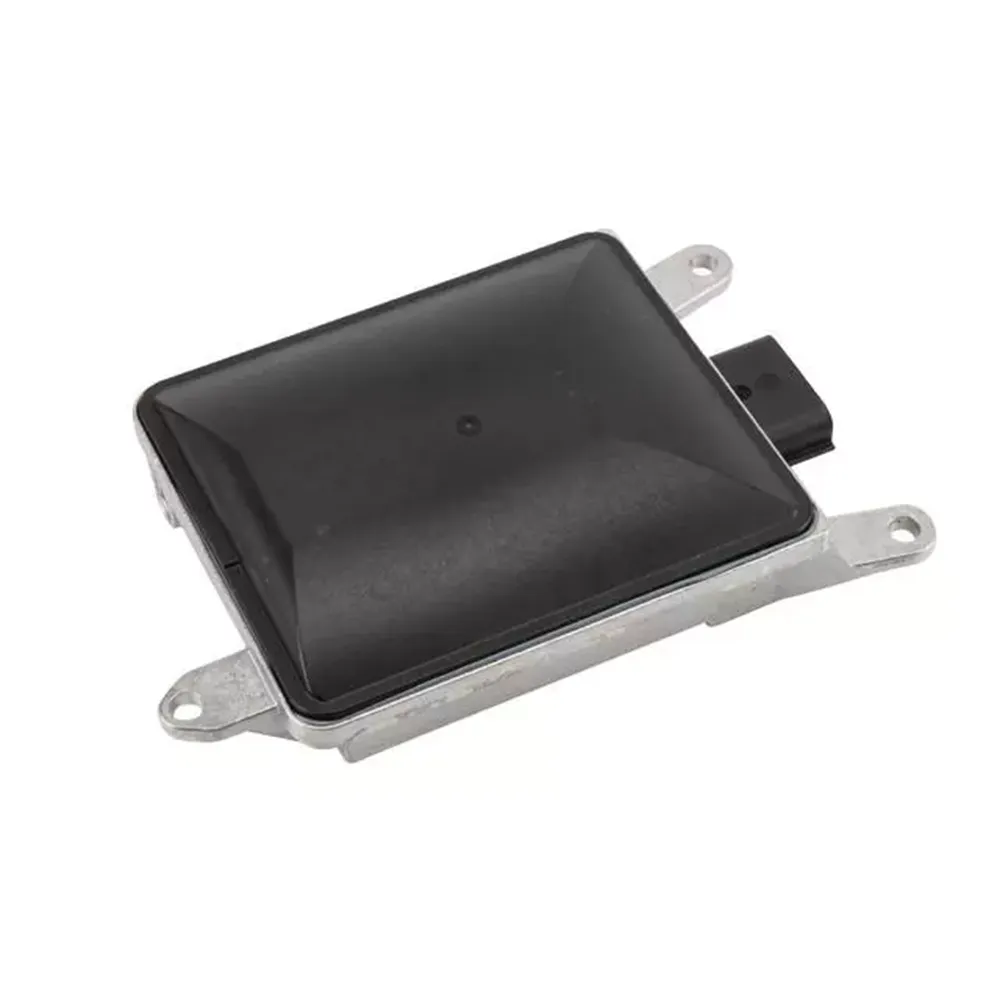
The undisputed core of the EMS is the Engine Control Unit (ECU), also known as the Powertrain Control Module (PCM). This powerful computer handles the most processor-intensive task in the vehicle: controlling the engine. It continuously gathers data from a network of sensors strategically placed throughout the engine and exhaust system.
The ECU knows it all – intake air speed and temperature, exhaust oxygen content, engine speed, coolant temperature, throttle position, and much more. Every second, it processes this flood of information, performing millions of calculations. Based on these calculations, it makes instantaneous decisions, sending commands to actuators (like fuel injectors and ignition coils) to achieve:
- Optimal Engine Performance: Maximizing power and responsiveness.
- Reduced Emissions: Minimizing harmful pollutants exiting the exhaust.
- Improved Fuel Economy: Ensuring the most efficient use of fuel.
The Vital Sensors: Feeding Information to the ECU
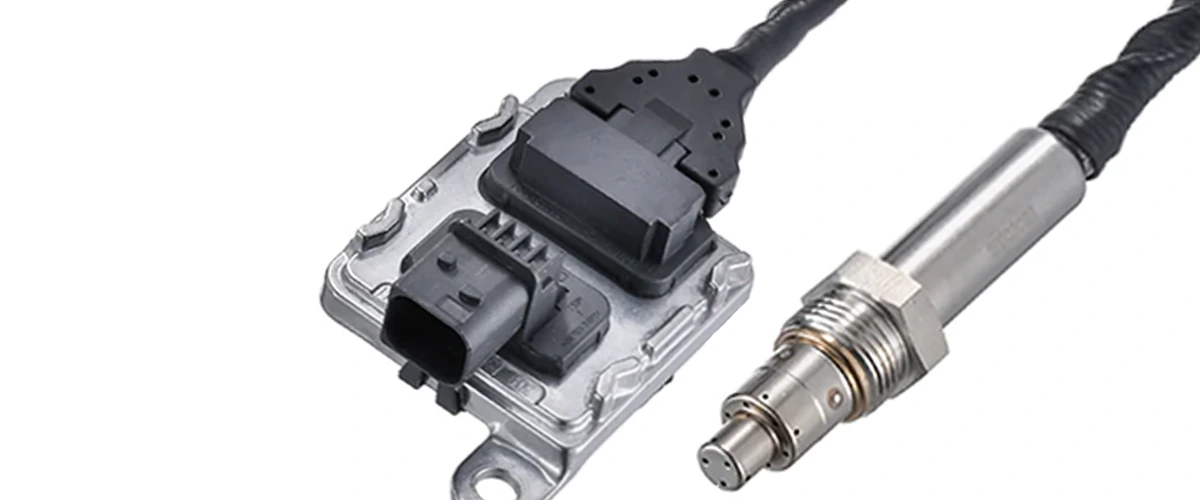
The ECU’s intelligence relies entirely on accurate data from its sensor network. Moocar supplies these critical components, including:
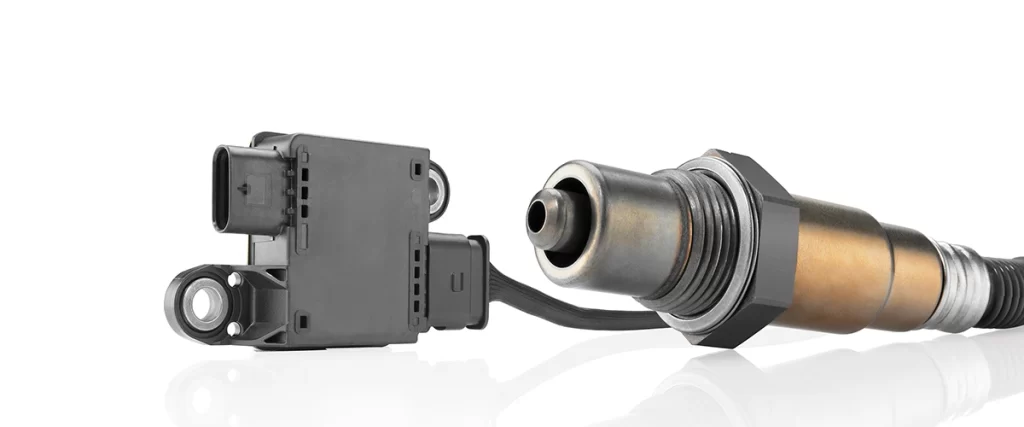
- Oxygen Sensor (O2 Sensor): Measures oxygen levels in the exhaust to precisely regulate the air/fuel ratio, crucial for reducing emissions and maintaining efficiency.
- Coolant Temperature Sensor (CTS): Monitors engine temperature, influencing fuel mixture, ignition timing, fan operation, and emission controls (especially during warm-up).
- Mass Air Flow (MAF) Sensor: Directly measures the volume of air entering the engine, allowing the ECU to calculate the exact amount of fuel needed.
- Manifold Absolute Pressure (MAP) Sensor: Measures pressure (vacuum) within the intake manifold, helping the ECU determine engine load for optimal ignition timing and fuel delivery.
- Throttle Position Sensor (TPS): Tracks the angle of the throttle plate (gas pedal position), signaling driver demand so the ECU can adjust fuel and spark accordingly.
- Camshaft Position Sensor: Detects camshaft speed and position, enabling the ECU to know the precise location of each piston for accurate fuel injection and ignition timing (sequential control).
- Crankshaft Position Sensor (CKP Sensor): Monitors crankshaft speed (RPM) and position, essential for determining ignition timing, fuel injection pulses, and detecting misfires.
- Knock Sensor: “Listens” for harmful pre-ignition (knocking/pinging) and signals the ECU to retard ignition timing under load, protecting the engine.
- Exhaust Gas Temperature (EGT) Sensor: Monitors exhaust temperatures to protect components (like turbos) from overheating and manages Diesel Particulate Filter (DPF) regeneration cycles in diesel engines.
- ABS Wheel Speed Sensor: While primarily for braking, provides wheel speed data that the ECU/PCM can use for traction control and stability systems integration.
- Transmission Speed Sensor (Input/Output Speed Sensors): Monitors transmission shaft speeds, enabling the ECU/PCM to control shift points and torque converter lockup for smooth, efficient driving.
- Oil Pressure Switch/Sensor: Alerts the ECU if engine oil pressure drops dangerously low, often triggering a warning light to protect the engine.
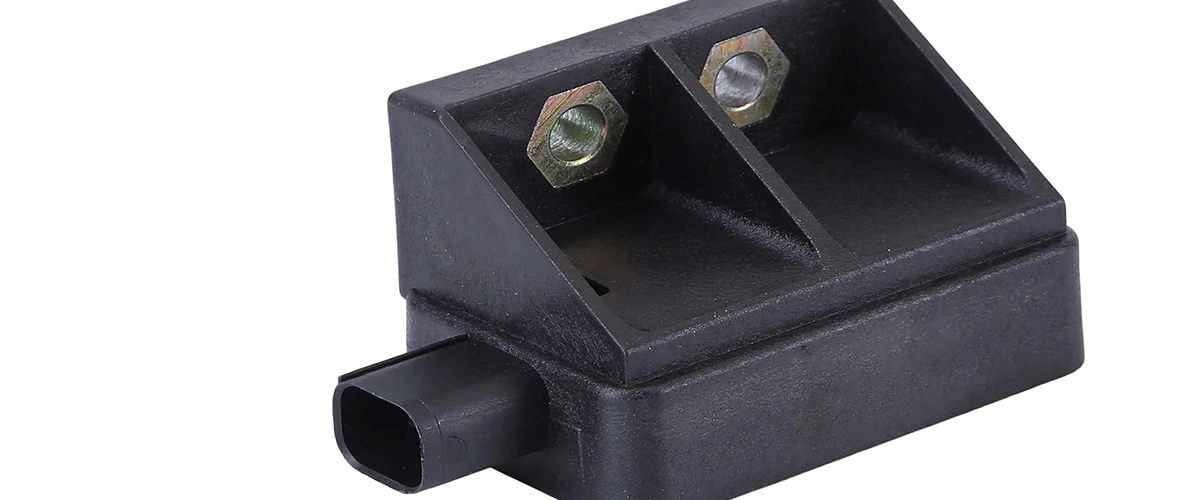
- DPF Differential Pressure Sensor (Diesel Vehicles): Measures pressure drop across the Diesel Particulate Filter to monitor soot accumulation and trigger regeneration cycles.
This intricate network of sensors, processed by the powerful ECU, transforms the engine management system from a simple controller into the intelligent, adaptive brain that keeps your modern vehicle running at its best.