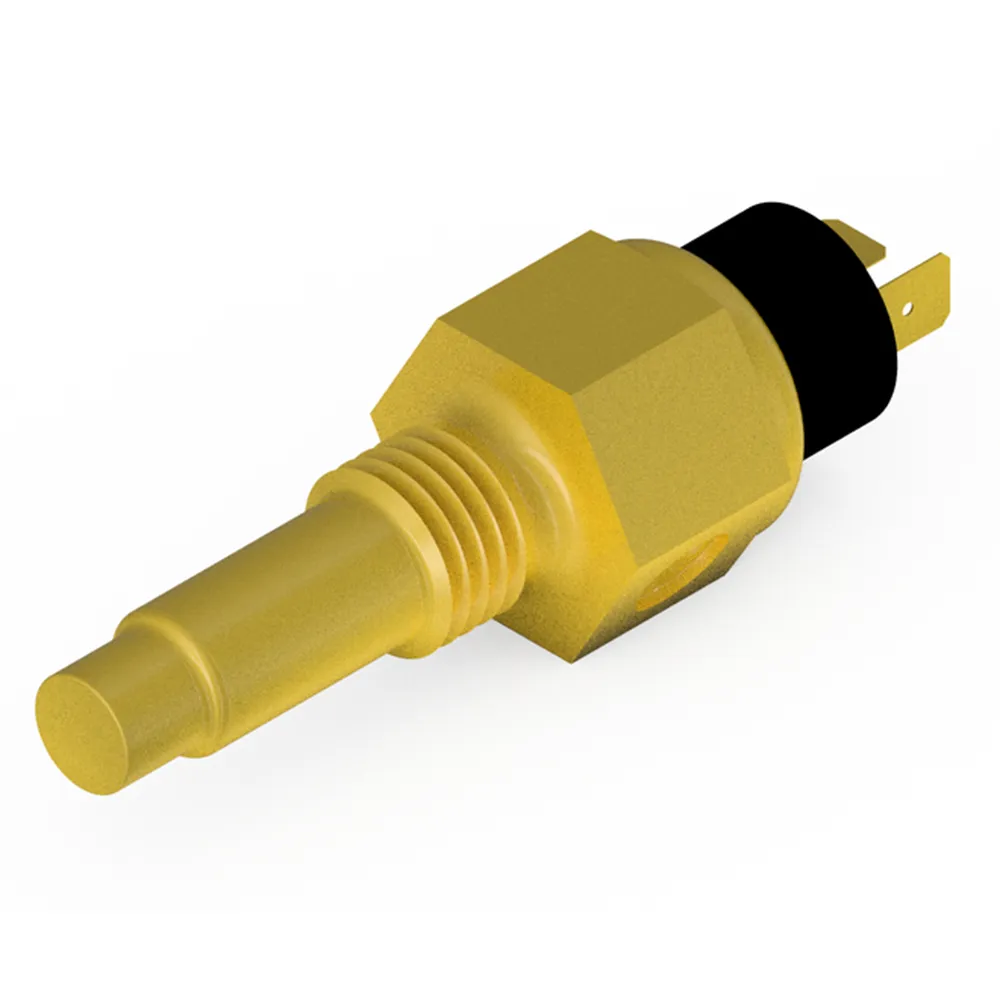








Compreender os sensores de NOx: Fundamentos e importância
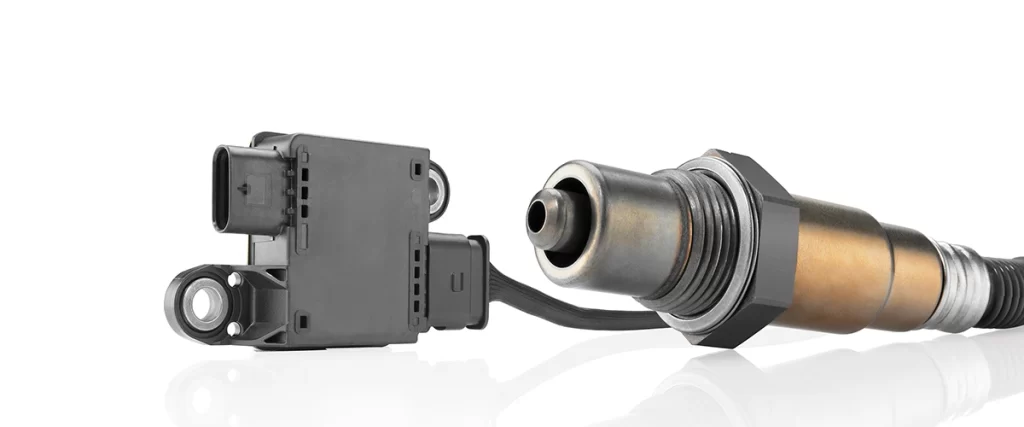
Nitrogen oxides (collectively termed NOx, primarily NO and NO₂) are byproducts of high-temperature combustion in internal combustion engines. These gases contribute significantly to smog formation, acid rain, and respiratory health issues. To combat these hazards, regulators worldwide enforce strict NOx limits, making precise monitoring a cornerstone of any modern emission-control strategy.
1. Como funcionam os sensores de NOₓ: princípios básicos
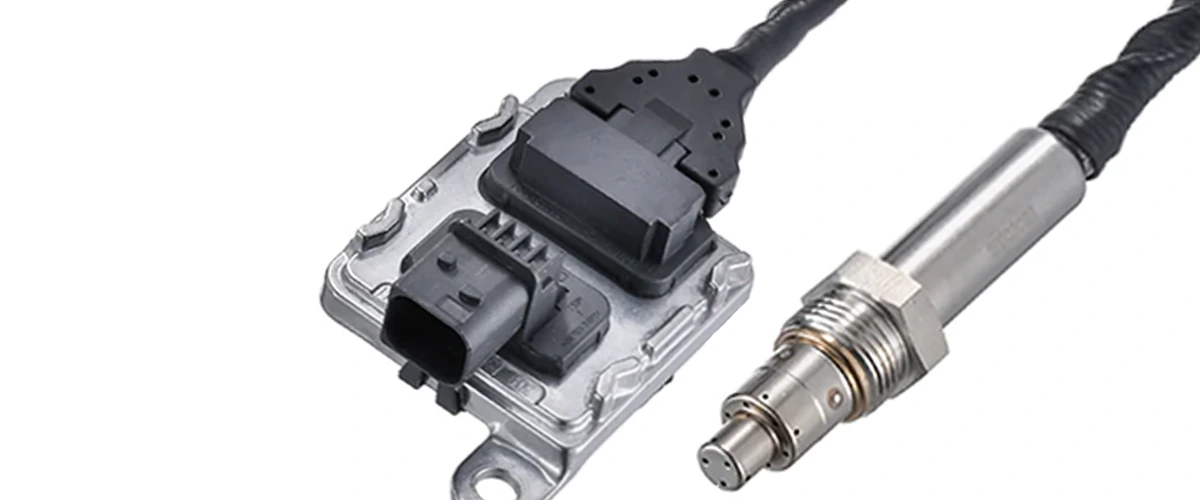
At their heart, NOx sensors measure exhaust gas chemistry using electrochemical or solid-state principles:
- Sensores eletroquímicos: These devices contain two electrodes immersed in an electrolyte. When NOx molecules diffuse through a selective membrane, they undergo redox reactions at the electrodes, producing a current proportional to gas concentration. Their high sensitivity and linear response make them a popular choice for SCR systems.
- Sensores de estado sólido: Leveraging metal-oxide semiconductor materials, these sensors detect NOx by monitoring resistance changes as molecules adsorb and react on the sensor surface. Advances in material science (e.g., doped ceria or mixed metal oxides) have enhanced their selectivity and temperature resilience.
Regardless of type, NOx sensors must endure exhaust temperatures often exceeding 600 °C, necessitating robust housings, thermal insulation, and active heating elements to maintain optimal operating conditions.
2. Role of NOx Sensors in SCR After-Treatment
Selective Catalytic Reduction (SCR) systems rely on precise NOx measurements to optimize urea (AdBlue) dosing:
- Detecção pré-SCR: Positioned upstream of the catalyst, this sensor provides real-time NOx levels to the engine control unit (ECU).
- Controle de injeção de ureia: The ECU calculates the required urea volume based on the upstream NOx signal and dosing algorithms.
- Verificação pós-SCR: A second NOx sensor downstream ensures that the catalyst effectively reduces NOx to harmless nitrogen (N₂) and water, while preventing ammonia slip.
This feedback loop is essential: too little urea leads to NOx exceedances, while too much causes ammonia emissions—both scenarios jeopardize compliance and engine performance.
3. Impacto na saúde, no meio ambiente e na regulamentação
By incorporating NOx sensors, manufacturers can meet stringent regulations such as Euro 7, EPA Tier 3, and China 7. Real-time NOx monitoring:
- Protege a saúde pública: Reduz poluentes formadores de smog associados à asma e doenças cardiovasculares.
- Preserva ecossistemas: Limita a chuva ácida, que danifica solos, florestas e sistemas de água doce.
- Evita penalidades: Garante que os veículos sejam aprovados nos testes de diagnóstico de bordo (OBD) e de emissões em condições reais de condução (RDE) sem recalls ou multas dispendiosas.
4. Looking Ahead: Beyond Conventional NOx Sensing
As tendências emergentes incluem:
- Módulos Multigás Integrados: Combining NOx, O₂, and NH₃ sensors in one housing for streamlined installation and cost savings.
- Diagnóstico habilitado para IoT: Cloud connectivity enables fleet managers to monitor NOx performance across thousands of vehicles, flagging outliers in real time.
- Materiais avançados: Pesquisas sobre filmes de sensores nanoestruturados de baixo consumo de energia prometem orçamentos térmicos mais baixos e tempos de resposta mais rápidos.
NOx sensors are the linchpin of modern emission controls, bridging combustion chemistry and after-treatment effectiveness. As regulations tighten and technology evolves, these sensors will continue to drive cleaner, healthier, and more compliant mobility.
Navegação em série
- ✅Compreender os sensores de NOx: Fundamentos e importância
- NOx Sensor Technology Deep Dive
- Integration of NOx Sensors in SCR After-Treatment Systems
- NOx Sensor Selection Criteria for Aftermarket Applications
- Troubleshooting and Maintenance of NOx Sensors
- Por que os sensores de NOx falham: causas comuns, diagnóstico e prevenção
- Guia de solução de problemas de um sensor de NOx
- Como substituir um sensor de NOx: guia passo a passo
- Falhas comuns na substituição do sensor de NOx