







Understanding the Role of Exhaust Gas Temperature Sensors in Modern Engines
In today’s emission-conscious automotive world, precise thermal control is not a luxury — it’s a regulatory necessity. As a manufacturing engineer specializing in automotive electronics, I’ve watched the exhaust gas temperature sensor (EGTS) evolve from a simple diagnostic component to a mission-critical sensor driving multiple thermal strategies across diesel and gasoline engines. This article provides a comprehensive overview of what EGTS is, where it’s used, and why it’s essential to modern vehicle design.
What is an Exhaust Gas Temperature Sensor (EGTS)?
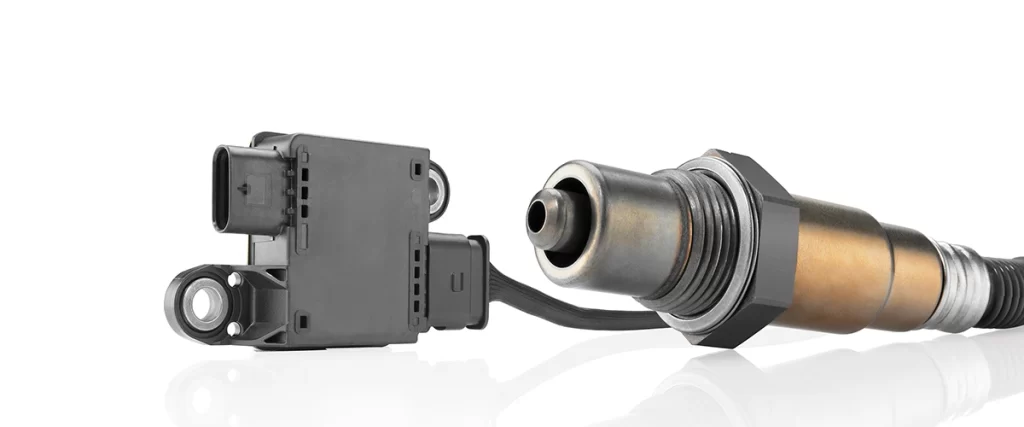
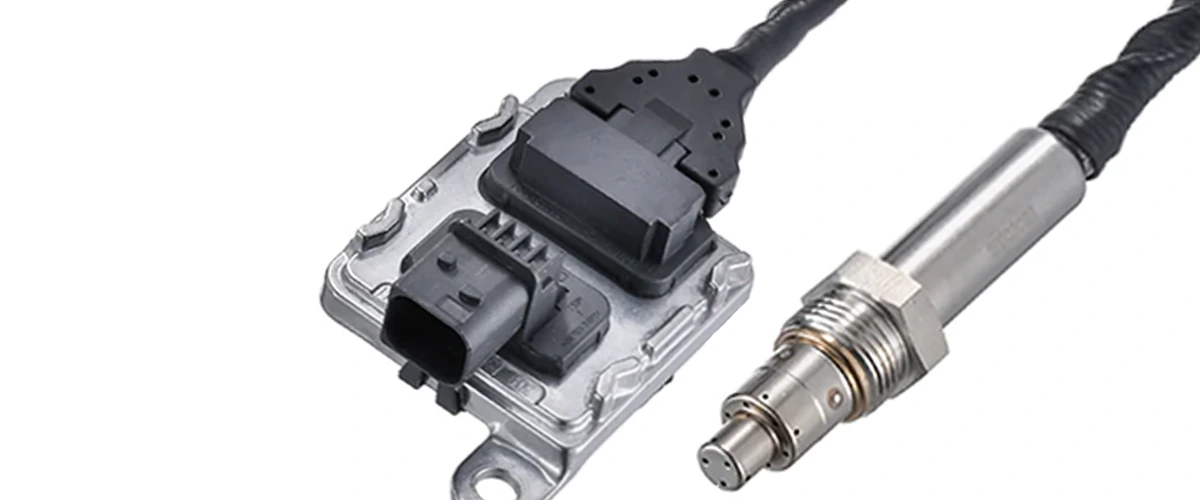
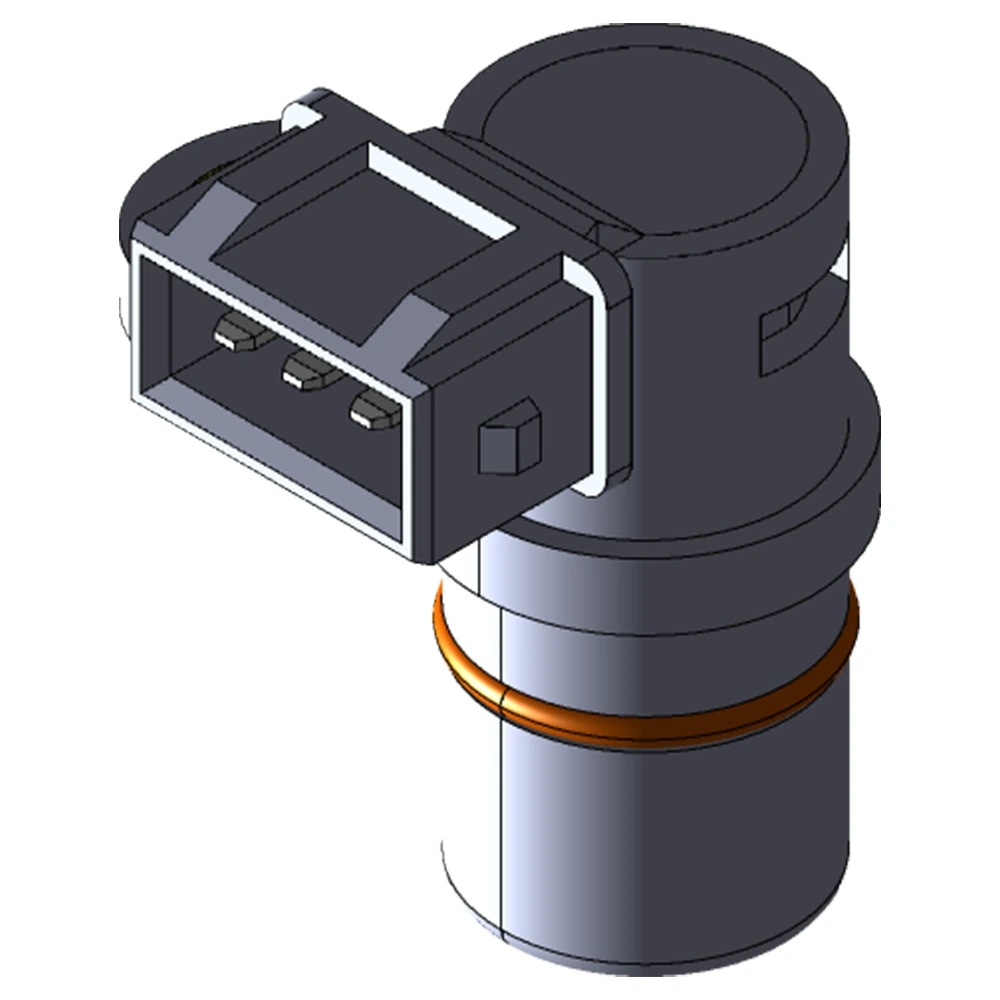
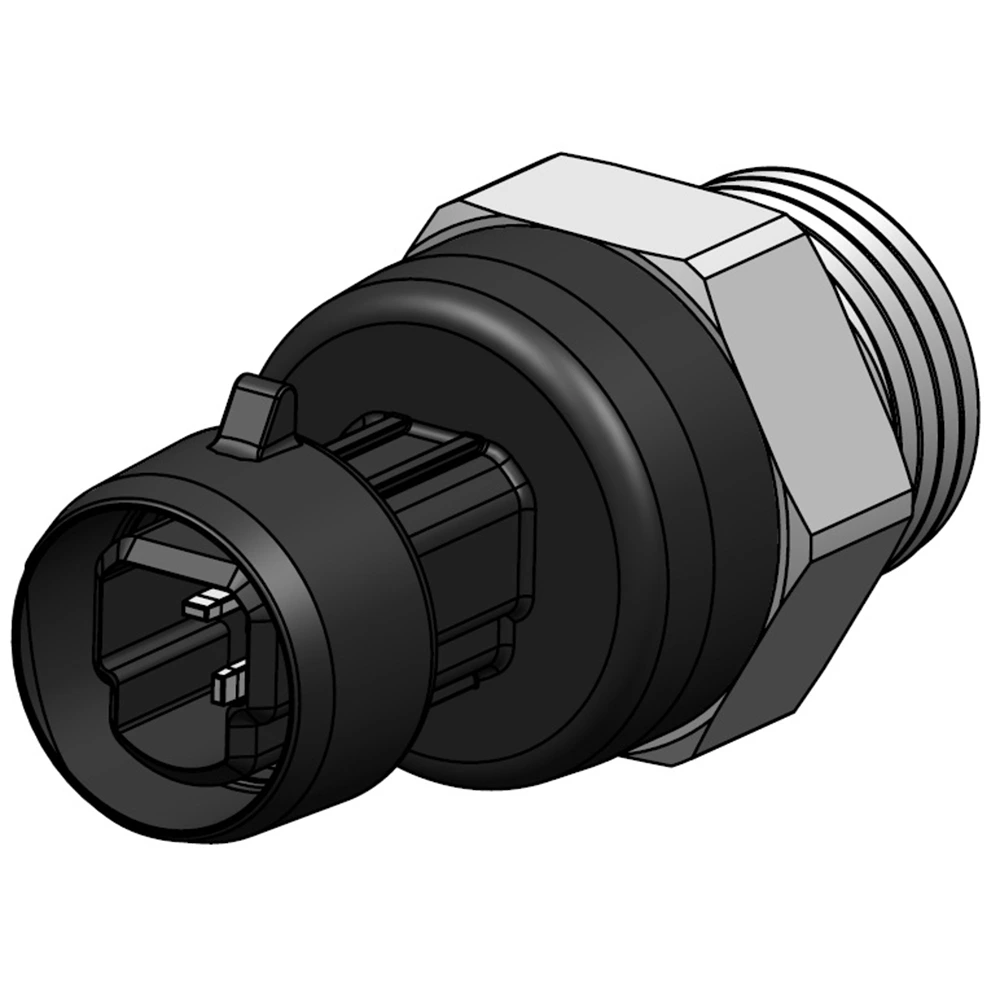
An EGTS is a high-temperature sensor, typically a thermocouple or resistance temperature detector (RTD), designed to measure the temperature of exhaust gases as they exit the combustion chamber and flow through the exhaust system. It provides real-time thermal data to the vehicle’s engine control module (ECM) or aftertreatment control unit.
Key Functions of EGTS in Engine Systems
1. DPF Regeneration Control (Diesel Engines)
- The EGTS ensures that the diesel particulate filter (DPF) reaches 600–650°C to initiate and maintain regeneration.
- Sensors placed upstream and downstream of the DPF help verify burn-off temperature and regeneration completeness.
2. Turbocharger Protection
- Pre-turbo EGTS (before turbine entry) monitor exhaust gas to protect turbine blades from overheating.
- Excessive EGTs (>850°C) can indicate injector imbalance, over-fueling, or ignition timing errors.
3. SCR System Management
- In selective catalytic reduction (SCR) systems, EGTS ensures optimal temperature for urea dosing and NOx reduction.
- Common mounting points are post-DOC (diesel oxidation catalyst) and pre-SCR catalyst.
4. Fuel Efficiency and Engine Tuning
- Gasoline engines use EGTS data for optimizing fuel-air ratios and ignition timing, especially under turbo boost or heavy load.
- Enables real-time thermal models in ECUs to prevent detonation and improve combustion efficiency.
5. OBD and Emissions Compliance
- EGTS is critical for On-Board Diagnostics (OBD) monitoring of catalyst efficiency and aftertreatment system integrity.
- Faulty readings can trigger codes like P0544, P2031, or P2471, leading to DTCs and dashboard MIL lights.
Common EGTS Mounting Locations
Depending on the vehicle platform and emission control strategy, EGTS units are typically installed at:
| Location | Function |
|---|---|
| Pre-Turbo (Gasoline) | Turbo protection, knock control |
| Pre-DOC (Diesel) | Cold start management, SCR warm-up |
| Pre-DPF | DPF regen activation temperature |
| Post-DPF | Regeneration efficiency validation |
| Pre-SCR | NOx catalyst inlet temperature |
| Tailpipe | Final system monitoring (Euro 6, EPA 13+) |
As a rule of thumb: more stringent the emissions standard, the more EGTS points you’ll find in the exhaust layout.
EGTS in Modern Emission Strategies
With the rise of Euro 6, EPA Tier 3, and China 6 standards, EGTS is indispensable in managing:
- Diesel oxidation catalyst (DOC) temperature
- Diesel particulate filter (DPF) active regeneration
- SCR urea injection timing
- Gasoline particulate filter (GPF) thermal management
For hybrid and start-stop vehicles, EGTS helps optimize catalyst light-off after cold starts or idle-stop transitions.
Key Benefits to the Vehicle System
- 🟢 Enhanced emissions compliance
- 🟢 Extended catalyst life
- 🟢 Improved turbocharger durability
- 🟢 Optimized fuel economy
- 🟢 Fault detection for predictive maintenance
Exhaust gas temperature sensors may not be visible to most drivers, but they play a pivotal role behind the scenes — ensuring vehicles remain clean, efficient, and compliant. As modern engines become more thermally complex, EGTS is not just a sensor, but a core thermal feedback controller.
In my experience, when you see a failed DPF or overheated turbo, the root cause often traces back to a miscalibrated or failed EGTS.
Series Navigation
- ✅Understanding the Role of Exhaust Gas Temperature Sensors in Modern Engines
- Construction and Working Principles of Exhaust Gas Temperature Sensors
- Technical Specifications and Selection Guide for EGTS
- Validation Testing and Reliability of Exhaust Gas Temperature Sensors
- Why Do Exhaust Gas Temperature Sensors Fail? Top Causes and Prevention
- How to Troubleshoot Exhaust Gas Temperature Sensors
- How to Replace an Exhaust Gas Temperature Sensor: Step‑by‑Step Guide
- Common Faults in Exhaust Gas Temperature Sensor Replacement