







Validation Testing and Reliability of Exhaust Gas Temperature Sensors
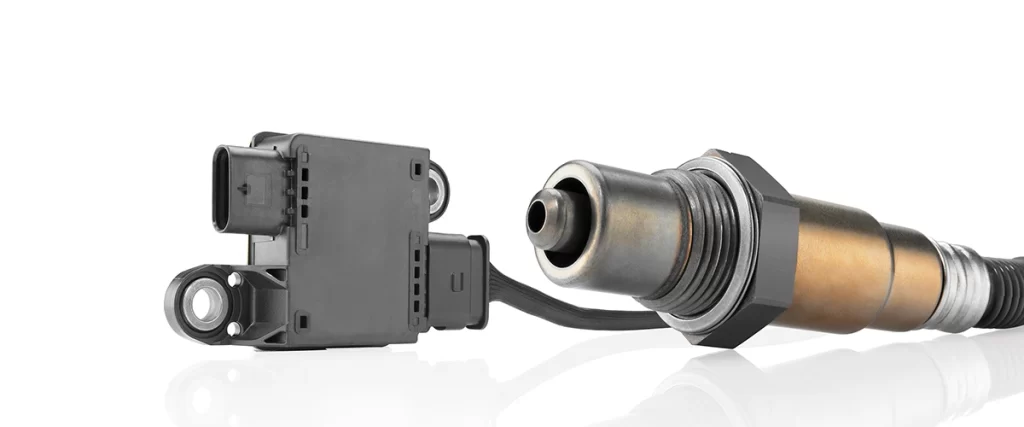
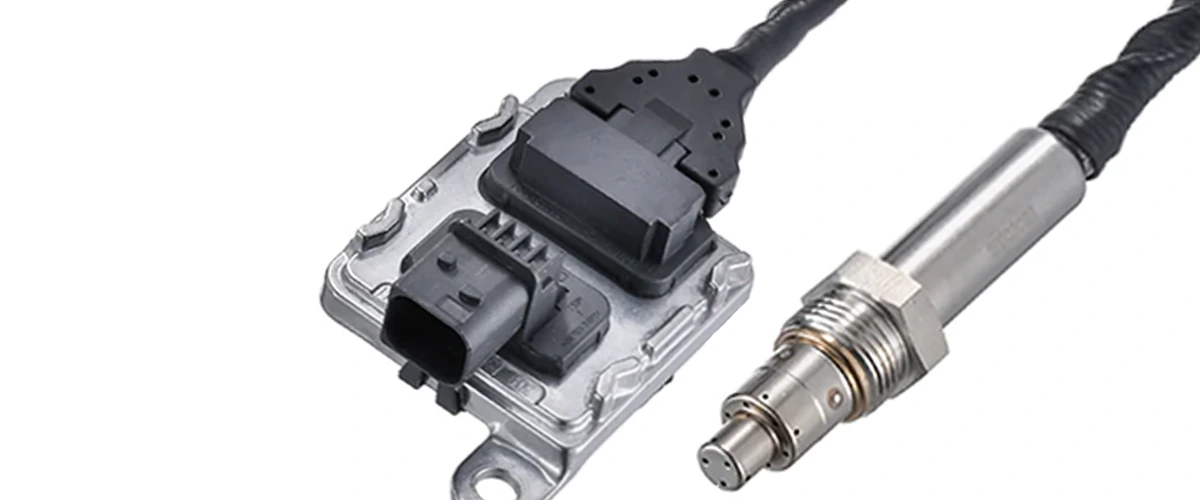
For an exhaust gas temperature sensor (EGTS), reliability is not optional — it’s a mandatory survival trait. These components endure thousands of heat cycles, exposure to corrosive gases, road salt, vibration, and thermal shock. In this article, we’ll walk through how professional-grade EGTS units are validated, which industry standards apply, and how failure risks are mitigated through engineering and testing.
1. Thermal Endurance Testing
Exhaust environments regularly reach 800–1,000°C. Sensors must not only measure these temperatures accurately but withstand them repeatedly.
Common tests include:
- Continuous heat exposure:
- 1,000 hours @ 850°C in a furnace
- Thermal cycling:
- −40°C ↔ +1,000°C, 500–1,000 cycles
- Soak time: 30 min hot, 15 min cold
- Rapid thermal shock:
- From ambient to 800°C within seconds (simulating turbo load)
Failure criteria:
- Change in resistance (ΔR > 5%)
- Signal drift > ±5%
- Physical degradation (cracks, oxidation, tip discoloration)
Materials like Inconel, ceramic beads, and high-temp glass seals are used to resist thermal stress.
2. Vibration and Mechanical Stress Testing
Mounted on exhaust manifolds or downpipes, EGTS units endure intense vibration.
Test parameters (ISO 16750-3):
- 3-axis vibration: 10–2,000 Hz
- Acceleration: up to 20–25 g
- Duration: 8–24 hours per axis
Additional tests:
- Drop test (for connectors)
- Harness pull & bend test
- Thread fatigue (mounting point)
Anti-vibration sleeves and overmolded grommets reduce mechanical failure risks.
3. Soot and Corrosive Exposure
Especially in diesel applications, carbon soot and urea residues can affect sensor accuracy or clog the tip.
Validation tests include:
- Soot chamber test:
- Simulated diesel soot at 600°C for 100–200 hours
- Salt spray test (ISO 9227):
- 5% NaCl, 96 hours
- Urea/SCR chemical exposure:
- Compatibility test with DEF fluid
- Exhaust gas condensate (acidic gas mixture exposure)
Focus areas:
- Tip clogging resistance
- Housing corrosion
- Seal integrity
Sensor tips with ceramic coating or stainless steel mesh resist ash buildup.
4. Electrical and EMC Testing
Exhaust sensors often use long signal lines that are vulnerable to electromagnetic interference (EMI).
Key electrical validation standards:
- ISO 7637-2: Transient immunity (pulse surge tests)
- ISO 11452: Radiated EMI resistance
- ISO 16750-2: Power supply irregularities (voltage drops, spikes)
Other tests:
- Insulation resistance @ 100 VDC (> 10 MΩ)
- Signal noise level (within 5 µV)
- Short-to-ground and open-circuit diagnostics
Shielded cables, grounding rings, and twisted-pair layouts help maintain signal integrity.
5. Water and Dust Ingress (IP Rating)
Most OEM EGTS sensors meet at least:
- IP67: Dust-tight, water immersion (30 min @ 1m)
- IP69K: High-pressure, high-temp water spray (ideal for under-chassis mounting)
Sealing components:
- Overmolded connectors
- O-rings, epoxy potting
- Stainless steel shells or crimp sleeves
A failed seal can lead to condensation, which causes short circuits or signal drift.
6. Failure Modes and Field Issues
Common real-world failures include:
| Failure Mode | Cause |
|---|---|
| Signal drift | Oxidation, tip fouling, thermocouple aging |
| Open circuit | Wire breakage, connector corrosion |
| Slow response | Soot buildup, damaged junction |
| Short circuit | Water ingress, harness wear |
| Connector failure | Vibration, poor mating, thermal expansion |
Most high-quality EGTS designs integrate a self-diagnostic signal (e.g., pull-up detection for open circuit).
EGTS validation is rigorous because the operating environment is harsh and the margin for error is small. Each sensor must prove its ability to survive heat, vibration, soot, and interference — not just in the lab, but on the road. For any sensor you choose or manufacture, compliance with ISO and OEM testing protocols is non-negotiable.
In engineering, we don’t just build for performance — we build for survivability.
Series Navigation
- Understanding the Role of Exhaust Gas Temperature Sensors in Modern Engines
- Construction and Working Principles of Exhaust Gas Temperature Sensors
- Technical Specifications and Selection Guide for EGTS
- ✅Validation Testing and Reliability of Exhaust Gas Temperature Sensors
- Why Do Exhaust Gas Temperature Sensors Fail? Top Causes and Prevention
- How to Troubleshoot Exhaust Gas Temperature Sensors
- How to Replace an Exhaust Gas Temperature Sensor: Step‑by‑Step Guide
- Common Faults in Exhaust Gas Temperature Sensor Replacement