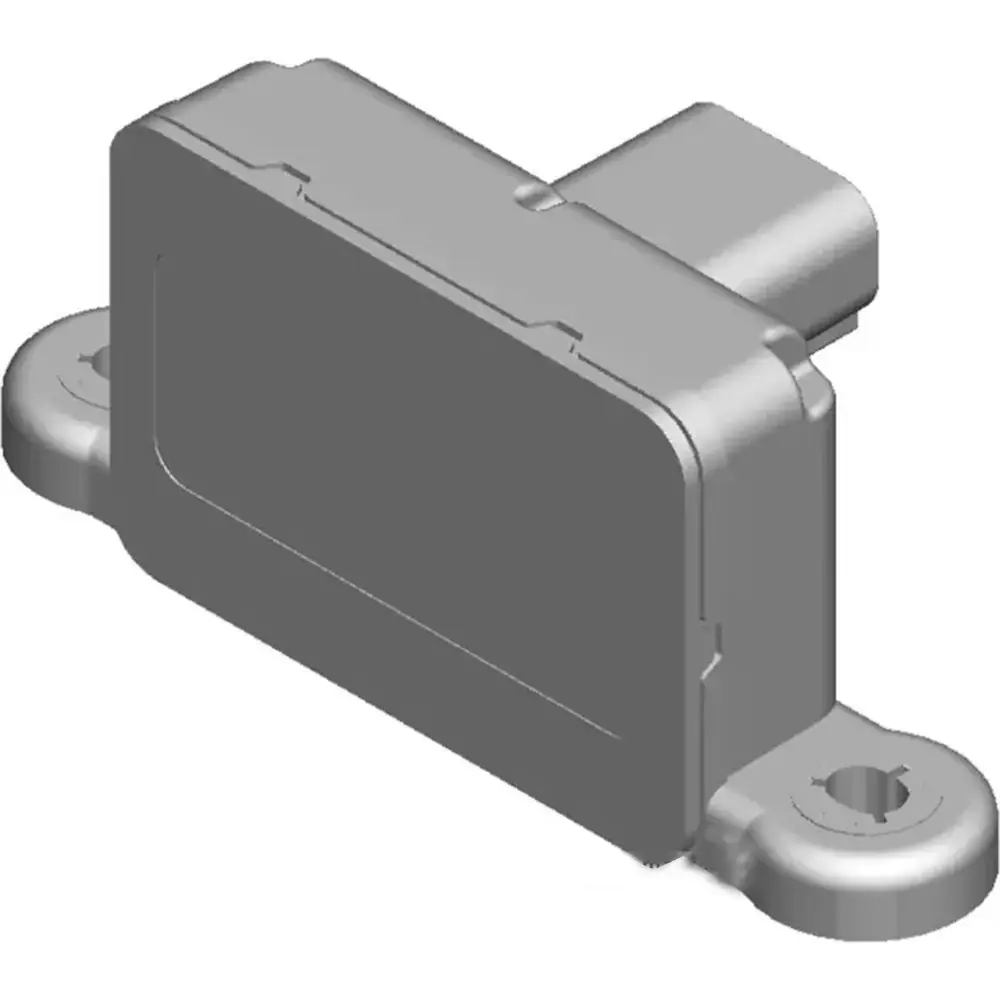








How to Install a Steering Angle Sensor: A Technician’s Guide
The Steering Angle Sensor (SAS) is essential to the safe operation of modern vehicles equipped with Electronic Stability Control (ESC), Lane Assist, and Adaptive Lighting systems. Installing a SAS incorrectly can lead to DTC faults, misaligned steering behavior, or even complete system failure. Whether replacing a faulty sensor or installing a new unit after steering repairs, this guide covers the step-by-step process for proper SAS installation.
🧰 Tools and Equipment Needed
- Steering wheel puller (if required)
- Torque wrench
- Trim removal tools
- Screwdrivers or Torx bits
- OBD2 diagnostic tool with SAS calibration function
- Manufacturer service manual (recommended)
⚠️ Always disconnect the vehicle battery before starting any airbag or steering-related work.
🔧 Step 1: Preparation and Safety
- Park the vehicle on a level surface.
- Center the steering wheel (wheels must point straight ahead).
- Turn off the ignition and disconnect the negative battery terminal.
- Wait at least 10–15 minutes to discharge airbag circuit.
🛑 Step 2: Remove the Airbag and Steering Wheel
- Use trim tools to access and remove airbag retaining clips or screws.
- Carefully disconnect the airbag connectors and place the airbag face up away from workspace.
- Use a torque wrench to loosen and remove the center steering nut.
- Mark the alignment between the steering shaft and the wheel.
- Gently remove the steering wheel, avoiding pulling on the clock spring or wiring.
🚨 Do not rotate the clock spring or sensor during removal to avoid misalignment.
⚙️ Step 3: Remove the Old Sensor or Clock Spring Module
- Depending on vehicle type, the SAS may be a separate unit or integrated into the clock spring.
- Disconnect the electrical connector(s).
- Remove retaining screws or clips.
- Carefully pull the sensor off the steering shaft or column.
Some vehicles require removal of lower steering column covers or multi-function switch assemblies.
🆕 Step 4: Install the New Steering Angle Sensor
- Ensure the new sensor is centered and aligned. Some sensors include a locking pin or window to show alignment.
- Gently slide the sensor into position without rotating the internal mechanism.
- Reconnect all connectors and fasten the sensor using OE torque specs (typically 2–5 Nm).
- If installing a clock spring module:
- Ensure it’s pre-centered (typically 2.5 turns left/right).
- Lock it in position using the supplied tab or tape until mounted.
🔄 Step 5: Reinstall the Steering Wheel and Airbag
- Align the wheel using your previous marks.
- Torque the center nut to manufacturer specification (often ~35–50 Nm).
- Reconnect airbag connectors and reinstall airbag module.
- Reconnect the vehicle battery and allow all systems to initialize.
📟 Step 6: Perform SAS Calibration
Use a compatible scan tool (e.g., Autel, Launch, Bosch) to:
- Access the ESC or ABS module.
- Navigate to SAS Calibration or Steering Zero Point Reset.
- Ensure the steering wheel is centered.
- Follow the on-screen instructions to complete calibration.
Some vehicles support automatic calibration after driving straight for 10–50 meters.
✅ Final Checklist
| Task | Done? ✅ |
|---|---|
| Battery disconnected before starting | |
| Steering wheel centered before removal | |
| Clock spring not rotated | |
| New sensor installed without force | |
| All connectors firmly reattached | |
| Torque specs followed | |
| SAS calibration completed |
Proper installation of a Steering Angle Sensor is not just about fitting a part—it’s about preserving the vehicle’s safety system integrity. Small errors in alignment or calibration can lead to major safety issues and customer complaints. By following the steps above and using the correct tools, you can ensure a trouble-free SAS replacement.
As engineers, we always say: When it comes to steering sensors, alignment is everything.
📚 Series Navigation
- Fundamentals of Automotive Steering Angle Sensors and Their Role in Vehicle Dynamics
- Design Architecture — Sensor Structure, Redundancy & Signal Interfaces
- Technical Specs that Matter — Resolution, Linearity, and Angular Range
- Environmental Testing & EMC Compliance in Real-World Applications
- Integration & Calibration on Vehicle Assembly Lines
- Why Steering Angle Sensors Fail: Causes, Symptoms, and Repair Advice
- How to Troubleshoot Steering Angle Sensors: A Complete Diagnostic Guide
- ✅How to Install a Steering Angle Sensor: A Technician’s Guide
- Common Mistakes in Steering Angle Sensor Replacement