








Yaw Rate Sensor Environmental Adaptability & Reliability
Automotive components must endure extreme temperatures, constant vibration, and exposure to dust and moisture. This article details how yaw rate sensors are engineered to remain accurate and reliable in such harsh environments by covering temperature compensation, vibration/shock resistance, ingress protection, and EMI mitigation techniques.
1. High/Low Temperature Design & Compensation
- Material Selection
- High-Tg PCB (e.g., FR4 High Tg) and low-temperature epoxy resin ensure no cracking or delamination from –40 °C to +125 °C
- Plastic enclosures use PA66+GF30 (glass-fiber reinforced nylon) rated to +135 °C; aluminum enclosures are anodized or powder-coated for enhanced durability
- Full-Range Calibration & Lookup Table
- Calibration is performed at –40 °C, –20 °C, 0 °C, 25 °C, 50 °C, 85 °C, and 125 °C to capture bias and sensitivity changes
- The MCU stores a lookup table or polynomial coefficients for real-time compensation, ensuring bias drift ≤±0.5°/s over the full temperature span
- Accelerated Aging & Environmental Cycling
- HALT (Highly Accelerated Life Test): Devices undergo –40 °C to +125 °C temperature cycling over 1,000 cycles, holding at extremes for ≥30 min each
- Temperature/Humidity Cycling: –40 °C to +85 °C at 85% RH for 2,000 hours to verify no drift or component failures
2. Vibration & Shock Resistance
- Internal Shock Mitigation
- Damping Pads (foam or silicone) between the MEMS die and PCB absorb vibration across 20 Hz–2000 Hz
- PCB is designed as a four- or six-layer stack: top layer for sensitive signals, second layer as solid ground plane, middle layers for power distribution and shielding, bottom layer as additional ground/shield to reduce EMI coupling
- Mounting Bracket & Mechanical Fastening
- Vehicle mounting surfaces should be flat and rigid; use M4/M5 bolts with spring washers or nylon lock nuts to prevent loosening under vibration
- Commercial vehicles or heavy-duty trucks may employ thicker aluminum brackets for maximum rigidity and minimal flex
- Vibration & Shock Test Standards
- Random Vibration: Compliant with ISO 16750-3 (20 Hz–2000 Hz PSD profile), replicating typical automotive road environments
- Shock: Compliant with ISO 19453 or LV124 (automotive environmental reliability), capable of ±100 g half-sine shock (6 ms duration)
3. Dust, Water & Corrosion Protection
- Sealing & Potting
- Automotive-grade devices use silicone O-ring seals or full silicone potting to isolate internal components from dust and moisture
- Seams and connector edges are doubly sealed with waterproof adhesive tapes or heat-shrink tubing to achieve IP6X (dust-tight) / IPX6 (powerful water jets)
- Surface Corrosion Treatment
- Metal housings undergo anodization or zinc plating, then a layer of protective paint to resist salt spray and environmental corrosion
- PCB assemblies receive a conformal coating post-SMT (e.g., acrylic or urethane) to protect against humidity and chemical contaminants
- Salt Fog & Chemical Corrosion Tests
- Neutral Salt Spray (NSS) Test: ≥96 hours to verify no visible corrosion on housing or connectors
- Chemical Resistance Test: Verify PCB traces and component leads are unaffected by exposure to deicing salts or other automotive chemicals
4. Electromagnetic Compatibility (EMC) & Interference Immunity
- Housing Shielding & Grounding
- Internal conductive paint or full metal housing creates a Faraday shield, isolating sensitive circuitry from external EMI sources (ignition coils, high-power inverters)
- The housing is tied to chassis ground to minimize ground-loop noise and ensure a stable reference for signal processing
- Filter & Suppression Circuits
- Power-Line Filtering: LC filter (inductor + 10 µF capacitor) at VCC input and a TVS diode to clamp voltage spikes, protecting against ±12 V transients
- Signal-Line Filtering: RC low-pass filters or common-mode chokes on analog outputs or CAN/LIN lines to suppress high-frequency noise
- PCB Layout & Routing Guidelines
- Separate sensitive analog traces from high-current or high-frequency traces, maintaining adequate clearance
- Four- or six-layer boards: top layer for sensitive signals, second layer as uninterrupted ground plane, third layer for power, bottom layer as additional ground/shield to reduce EMI coupling
Series Navigation:
- Automotive Yaw Rate Sensor Positioning & Core Functions
- Yaw Rate Sensor Core Components & Working Principles
- Yaw Rate Sensor Technical Specifications & Model Guide
- ✅Yaw Rate Sensor Environmental Adaptability & Reliability
- Yaw Rate Sensor Interfaces
- Why Yaw Rate Sensors Fail: Root Causes, Warning Signs, and Repair Advice
- How to Troubleshoot Yaw Rate Sensors in Modern Vehicles
- How to Install a Yaw Rate Sensor: Step-by-Step Guide
- Common Mistakes in Yaw Rate Sensor Replacement

Related article resources and products
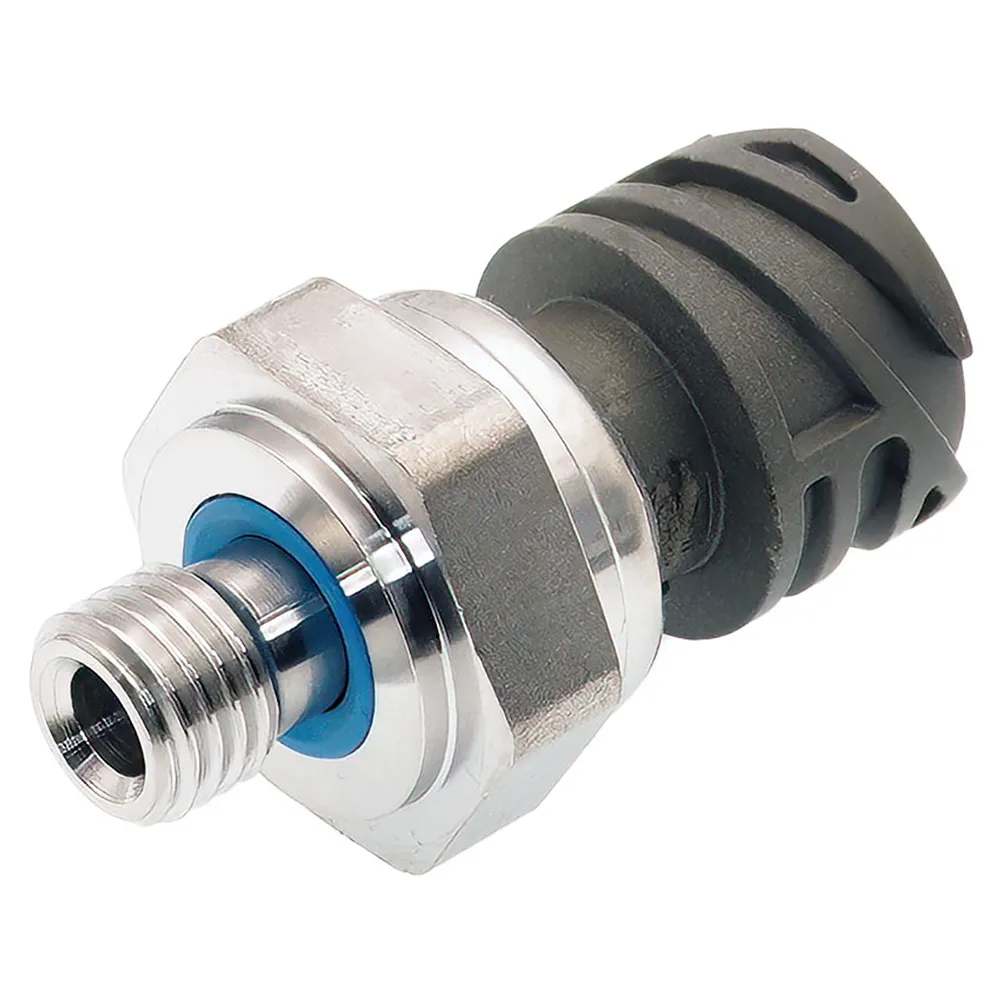
Exhaust Gas Pressure Sensor
MOOCAR Exhaust Gas Pressure Sensor accurately measures exhaust pressure to optimize engine performance. MOOCAR Exhaust Gas Pressure Sensor production processes comply with IATF16949 and ISO14001…
Coolant Temperature Sensor
MOOCAR Coolant Temperature Sensor provides real-time monitoring of engine temperature for optimal thermal management. MOOCAR Coolant Temperature Sensor production processes comply with IATF16949 and ISO14001…
Exhaust Gas Temperature Sensor
MOOCAR Exhaust Gas Temperature Sensor provides accurate measurements critical for emission control. MOOCAR Exhaust Gas Temperature Sensor production processes comply with IATF16949 and ISO14001 standards,…

DPF sensor – How it work & failed?
What is the DPF sensor?
How DPF sensor work?
Why DPF sensor failed?
What are ommon fault codes of DPF sensor?
What to pay attention to in the case…
Exhaust gas temperature sensor – How it work & failed
What is an exhaust gas temperature sensor?
How do exhaust gas temperature sensors work?
Why do exhaust gas temperature sensors failed?
What are common exhaust gas temperature sensor…
Why NOx Sensors Fail: Common Causes, Diagnostics, and Prevention
Discover the top reasons why NOx sensors fail in diesel and gasoline vehicles. Learn how contamination, wiring issues, or ECU faults lead to failure, and…