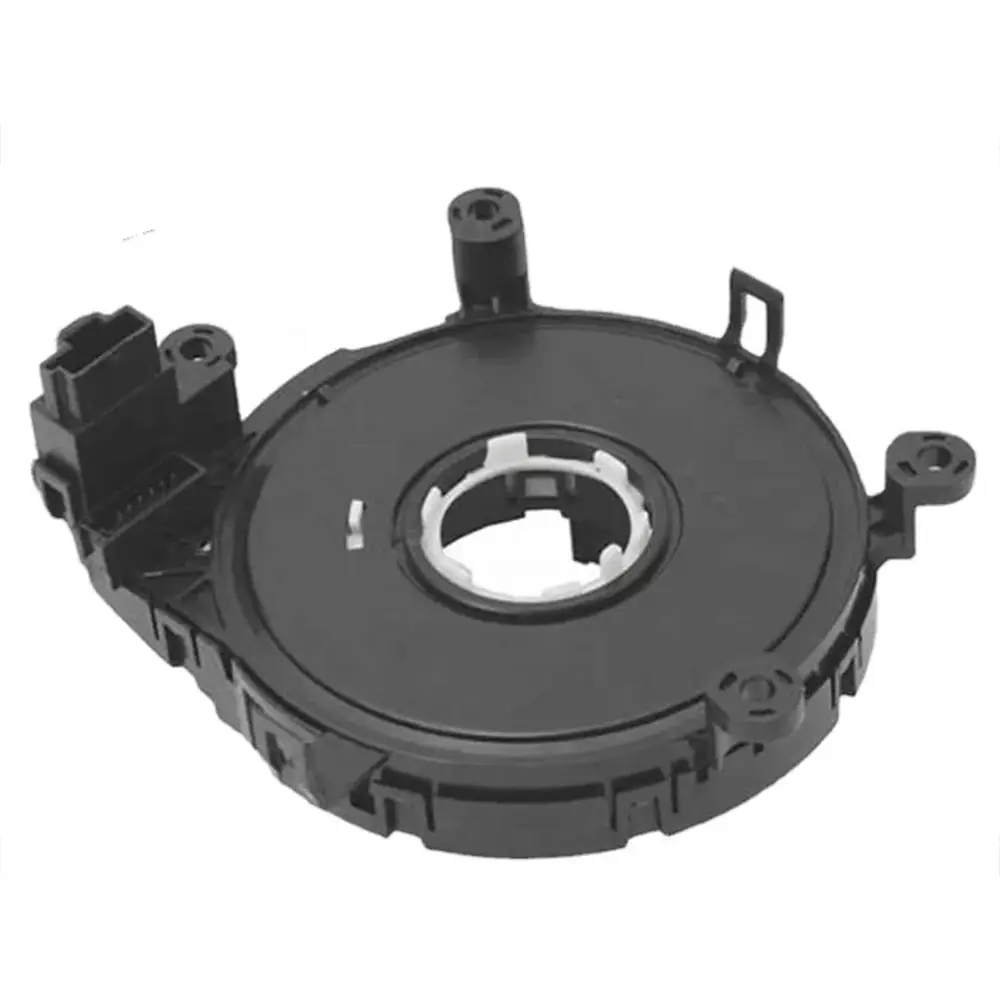








How to Install a Yaw Rate Sensor: Step-by-Step Guide
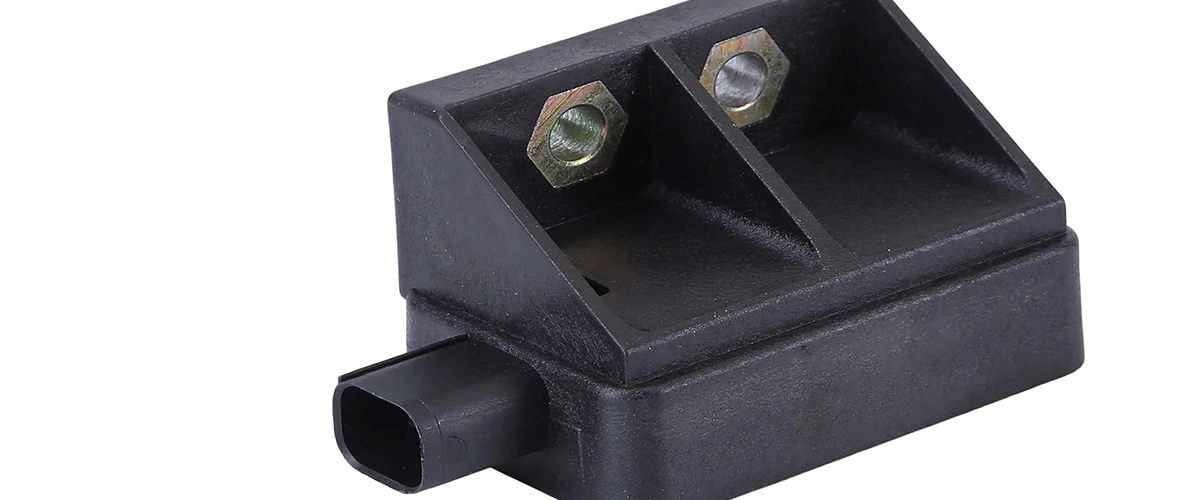
The Yaw Rate Sensor is a core component of the Electronic Stability Control (ESC) system, responsible for detecting the rotational movement of a vehicle around its vertical axis. Proper installation is essential to ensure accurate vehicle dynamics data and prevent ESC faults or dangerous behavior. Whether replacing a failed sensor or installing a new one during chassis repair, this guide outlines a safe, effective installation procedure.
🧰 Required Tools and Equipment
- Screwdrivers or Torx bits (vehicle-specific)
- Socket set with torque wrench
- Multimeter (for wiring checks)
- OBD2 diagnostic scan tool with calibration function
- Anti-static gloves (recommended)
- Clean cloth and alcohol for surface prep
⚠️ Always disconnect the battery before beginning any work on ESC or airbag-related modules.
🛠 Step 1: Vehicle Preparation
- Park the vehicle on a flat, level surface.
- Center the steering wheel and engage the parking brake.
- Disconnect the negative battery terminal.
- Wait at least 10 minutes to fully discharge vehicle electronics.
📍 Step 2: Locate the Yaw Rate Sensor
Typical locations:
- Under the center console (near shift lever)
- Beneath front passenger seat
- Rear floorboard (for integrated G sensors)
- Within the ABS/ESC control unit (on newer vehicles)
Consult the service manual to avoid mistaking lateral or longitudinal sensors.
🔧 Step 3: Remove the Old Sensor
- Carefully unplug the sensor connector.
- Remove the mounting screws or bolts (usually 2).
- Gently lift the sensor from its base—do not twist or force it.
Inspect the mounting surface:
- Clean away any dust, rust, or oil
- Ensure no damage or deformation to sensor brackets
📌 Important: Note the original orientation arrows or markings—new sensor must be installed in the exact same position.
🧩 Step 4: Install the New Sensor
- Align the orientation arrows (X/Y/Z axis) correctly—incorrect alignment will result in faulty data.
- Place the sensor on the clean, flat mounting surface.
- Insert screws/bolts and torque to manufacturer specification (typically 5–10 Nm).
- Reconnect the electrical connector until it clicks.
Avoid:
- Overtightening (can crack sensor base)
- Misalignment (will cause sensor bias)
- Installing on uneven or vibrating surfaces
⚙️ Step 5: Perform Zero Point Calibration
Calibration ensures the sensor reads 0°/s when the vehicle is stationary.
To calibrate:
- Reconnect the battery.
- Turn the ignition to ON (do not start engine).
- Use your scan tool to access:
ESC > Yaw Rate Sensor > Zero Point Calibration - Follow the scan tool’s prompts. Ensure:
- Car is on level ground
- No one is inside
- Vehicle remains perfectly still during process
Some systems require a brief drive (~20–50 m) to finalize calibration.
✅ Final Installation Checklist
| Task | Done? ✅ |
|---|---|
| Battery disconnected before work | |
| Sensor location confirmed | |
| Mounting surface cleaned | |
| Sensor aligned correctly (orientation) | |
| Bolts torqued to spec | |
| Electrical connector reattached | |
| Calibration successfully completed |
Installing a yaw rate sensor isn’t just about replacing a faulty part—it’s about ensuring precise communication with your vehicle’s ESC system. Proper mounting, orientation, and calibration are non-negotiable steps for safety and performance. By following this guide, technicians can reduce comebacks and ensure optimal stability control performance.
From a system engineering perspective, the yaw rate sensor is the ESC’s “inner ear”—if it’s tilted or deaf, the whole system is blind.
Series Navigation:
- Automotive Yaw Rate Sensor Positioning & Core Functions
- Yaw Rate Sensor Core Components & Working Principles
- Yaw Rate Sensor Technical Specifications & Model Guide
- Yaw Rate Sensor Environmental Adaptability & Reliability
- Yaw Rate Sensor Interfaces
- Why Yaw Rate Sensors Fail: Root Causes, Warning Signs, and Repair Advice
- How to Troubleshoot Yaw Rate Sensors in Modern Vehicles
- ✅How to Install a Yaw Rate Sensor: Step-by-Step Guide
- Common Mistakes in Yaw Rate Sensor Replacement