








Automotive Yaw Rate Sensor Product Positioning & Core Functions
In today’s rapidly evolving automotive landscape, understanding where a yaw rate sensor fits within various vehicle segments is critical for buyers and engineers alike. This article introduces how yaw rate sensors are positioned across passenger cars, commercial vehicles, and the aftermarket, and highlights their fundamental roles in vehicle stability and safety systems.
Product Positioning
- Passenger Vehicle Market
- Main Ranges: ±150°/s, ±200°/s
- Typical Applications: ESP/ESC (Electronic Stability Program/Control), slip warning, high-end ADAS systems
- Commercial Vehicle Market
- Larger Ranges: ±300°/s and above
- Typical Applications: Heavy trucks and buses for dynamic control and rollover prevention
- Aftermarket & Retrofit Market
- Universal module design for rapid “retrofit upgrades” on various vehicle brands
- Compatible with multiple bus interfaces (analog output, CAN, LIN) to meet needs of retrofit workshops and individual users
Core Functions
- Real-Time Angular Velocity Measurement
- Outputs a voltage or digital signal proportional to vehicle yaw rate
- Typical ranges: ±150°/s, ±200°/s, ±300°/s (customizable higher ranges available)
- Built-In Filtering & Signal Pre-Processing
- Hardware low-pass filter (usually 2nd or 4th order) to remove high-frequency noise
- Digital filtering algorithms (e.g., Kalman filter or first-order complementary filter) for stable output
- Temperature Compensation
- Integrated temperature sensor for automatic zero-bias and sensitivity drift correction over –40 °C to +125 °C
- Some high-end models include dual temperature sensing (chip-embedded + external) for even greater accuracy
- Self-Diagnostic & Fault Detection
- DTC (Diagnostic Trouble Code) functionality for internal over-temperature, abnormal power consumption, or MEMS malfunction
- Certain models offer a “Status Pin” to output a live HIGH/LOW signal indicating sensor operation or fault condition
Typical Applications
- ESP/ESC (Electronic Stability Program/Control)
- Works alongside steering angle, wheel speed, and accelerometer data to detect oversteer or understeer
- When excessive yaw is detected, the ECU intervenes by braking individual wheels or adjusting engine torque to correct vehicle trajectory
- ADAS & Autonomous Driving
- For Level 2/3 and above, yaw rate data fuses with GPS, wheel speed, and camera inputs to improve trajectory tracking accuracy
- Crucial for precise lateral control during emergency maneuvers and cornering
- Slip Warning & Active Safety
- Detects slip tendency on slippery or low-friction surfaces by comparing actual motion direction with steering input
- Can trigger driver alerts or automatic braking/torque reduction to enhance safety
Series Navigation:
- ✅Automotive Yaw Rate Sensor Positioning & Core Functions
- Yaw Rate Sensor Core Components & Working Principles
- Yaw Rate Sensor Technical Specifications & Model Guide
- Yaw Rate Sensor Environmental Adaptability & Reliability
- Yaw Rate Sensor Interfaces
- Why Yaw Rate Sensors Fail: Root Causes, Warning Signs, and Repair Advice
- How to Troubleshoot Yaw Rate Sensors in Modern Vehicles
- How to Install a Yaw Rate Sensor: Step-by-Step Guide
- Common Mistakes in Yaw Rate Sensor Replacement

Related article resources and products
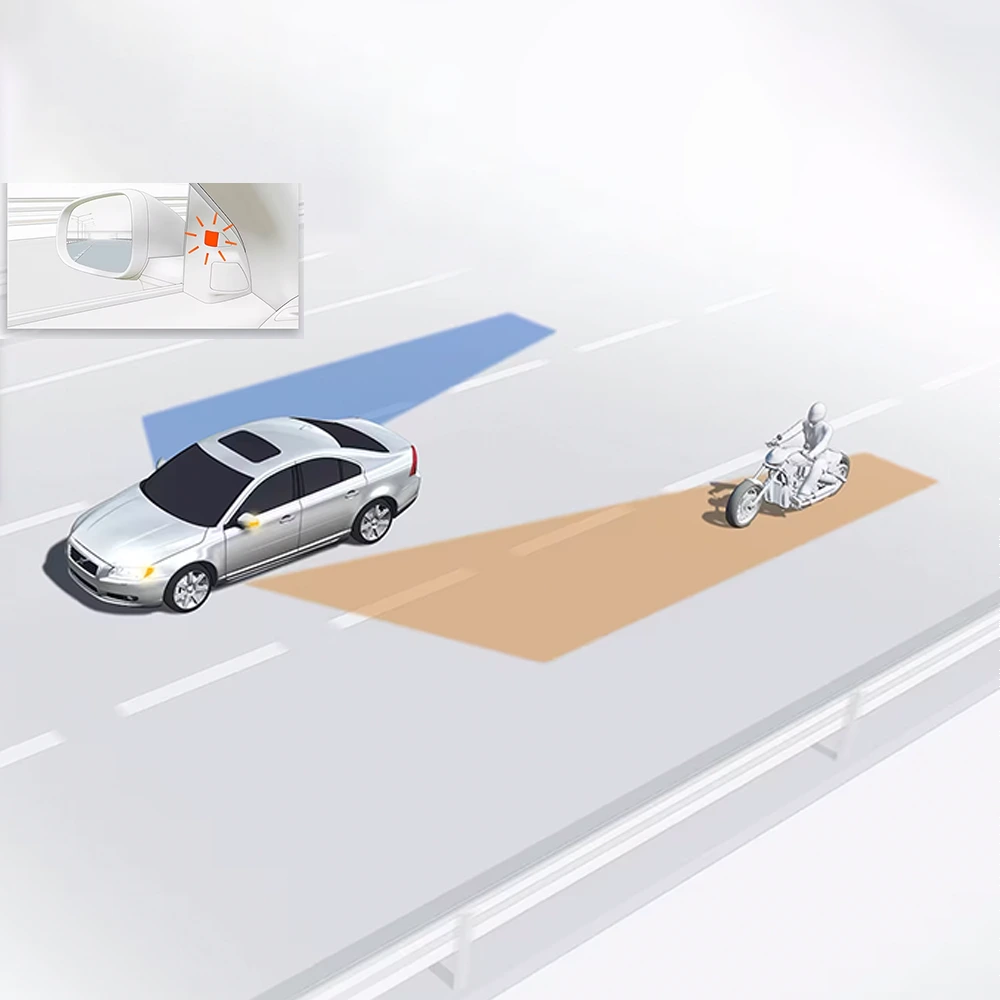
Blind Spot Detection Sensors
MOOCAR Blind Spot Detection Sensors deliver enhanced safety by accurately monitoring adjacent traffic. MOOCAR Blind Spot Detection Sensors production processes comply with IATF16949 and ISO14001…
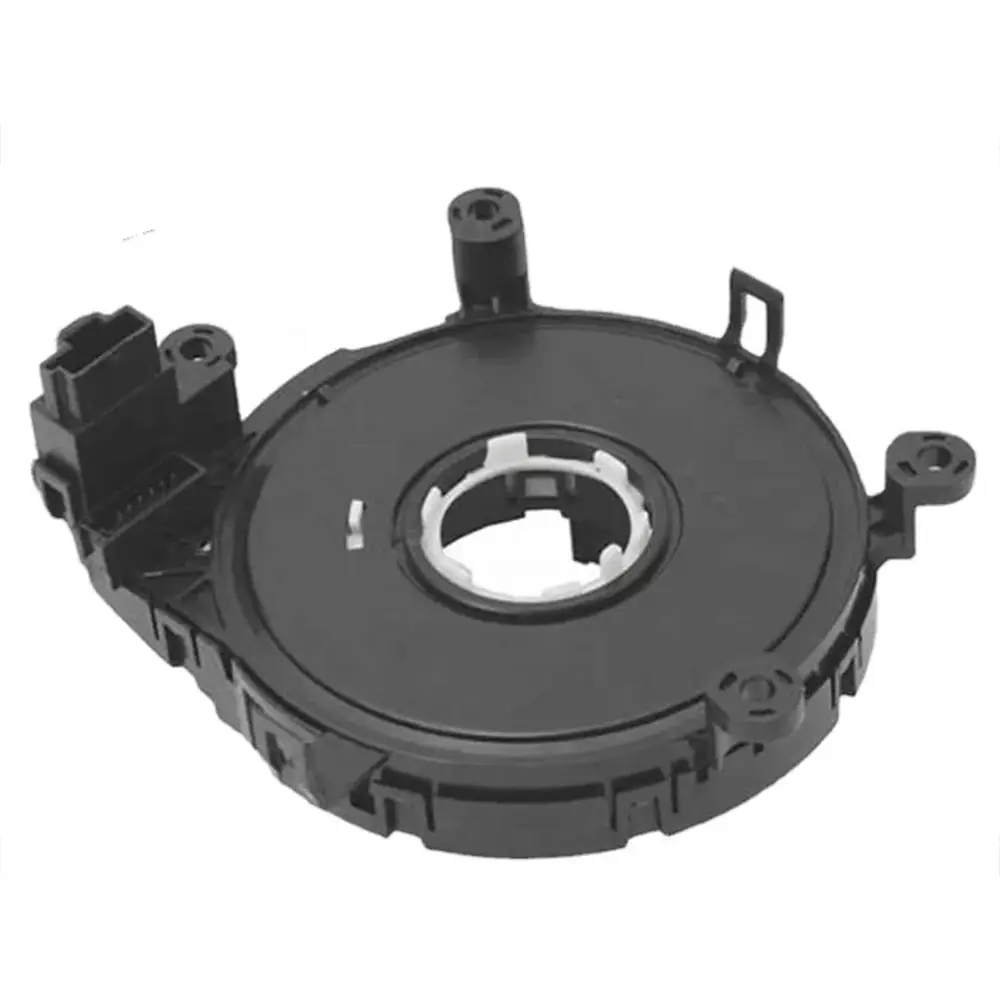
Steering Angle Sensor
1. MOOCAR Steering Angle Sensor provides accurate feedback on wheel orientation for optimal vehicle dynamics. 2. MOOCAR Steering Angle Sensor production processes comply with IATF16949…

Throttle Position Sensor
MOOCAR Throttle Position Sensor ensures precise measurement of accelerator input for optimal engine response. MOOCAR Throttle Position Sensor production processes comply with IATF16949 and ISO14001…

How to Choose the Right Blind Spot Detection System for Your Vehicle or Fleet
OEM vs. retrofit? Radar vs. camera? Compare BSD systems for cars, trucks & fleets. Key specs, cost analysis, and compatibility checklists to avoid costly mistakes.
How to Replace a NOx Sensor: Step-by-Step Guide
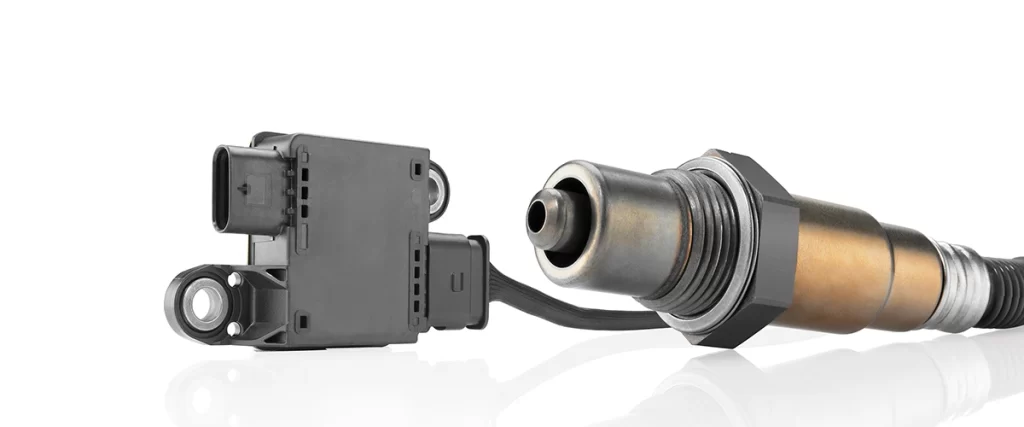
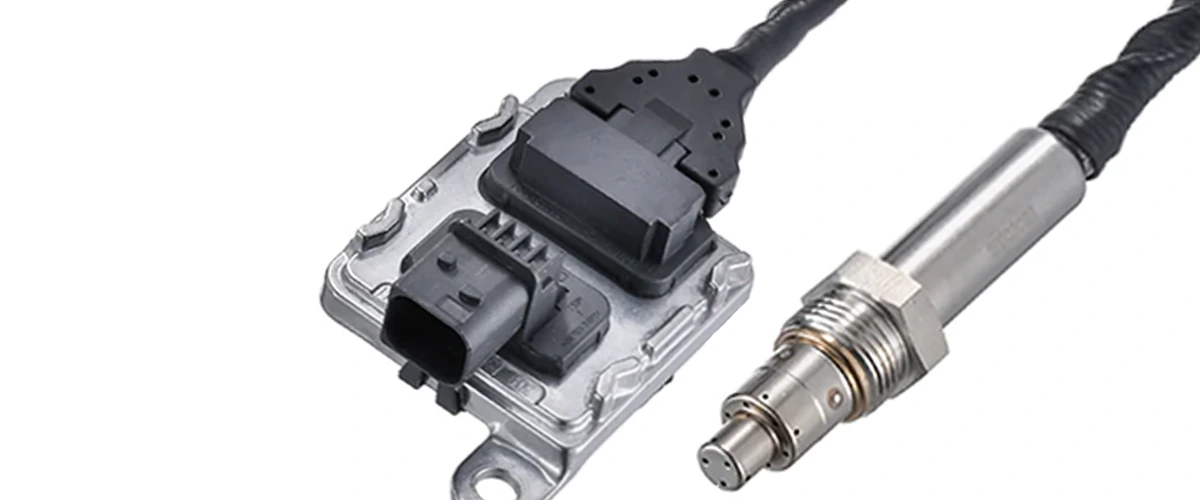
Learn how to safely replace a NOx sensor on modern diesel vehicles. This guide covers sensor location, removal tools, safety steps, and reset procedures.
Why Yaw Rate Sensors Fail: Root Causes, Warning Signs, and Repair Advice
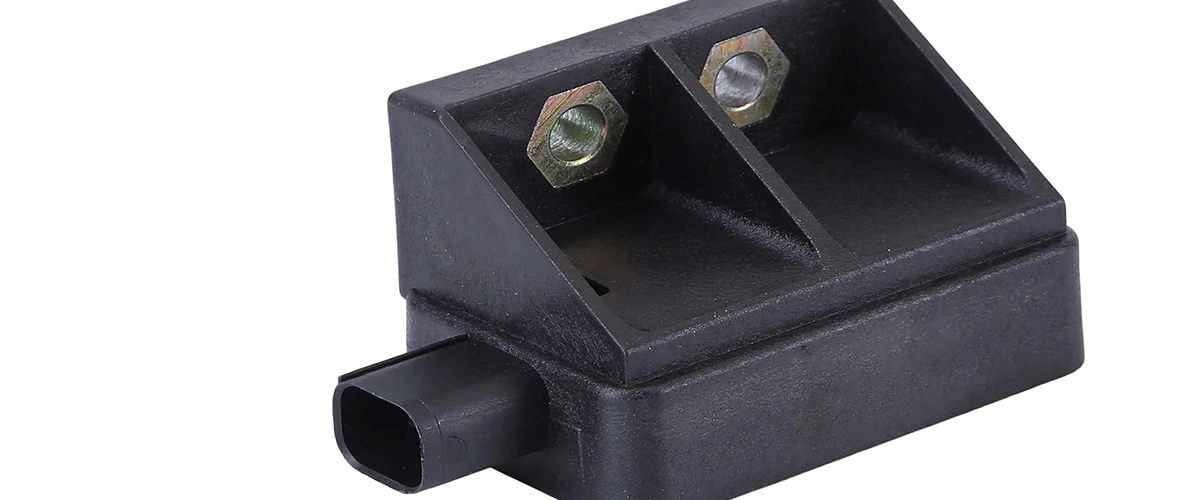
Explore the top reasons yaw rate sensors fail in ESC and ADAS systems. Learn about MEMS drift, wiring faults, vibration damage, and how to diagnose…