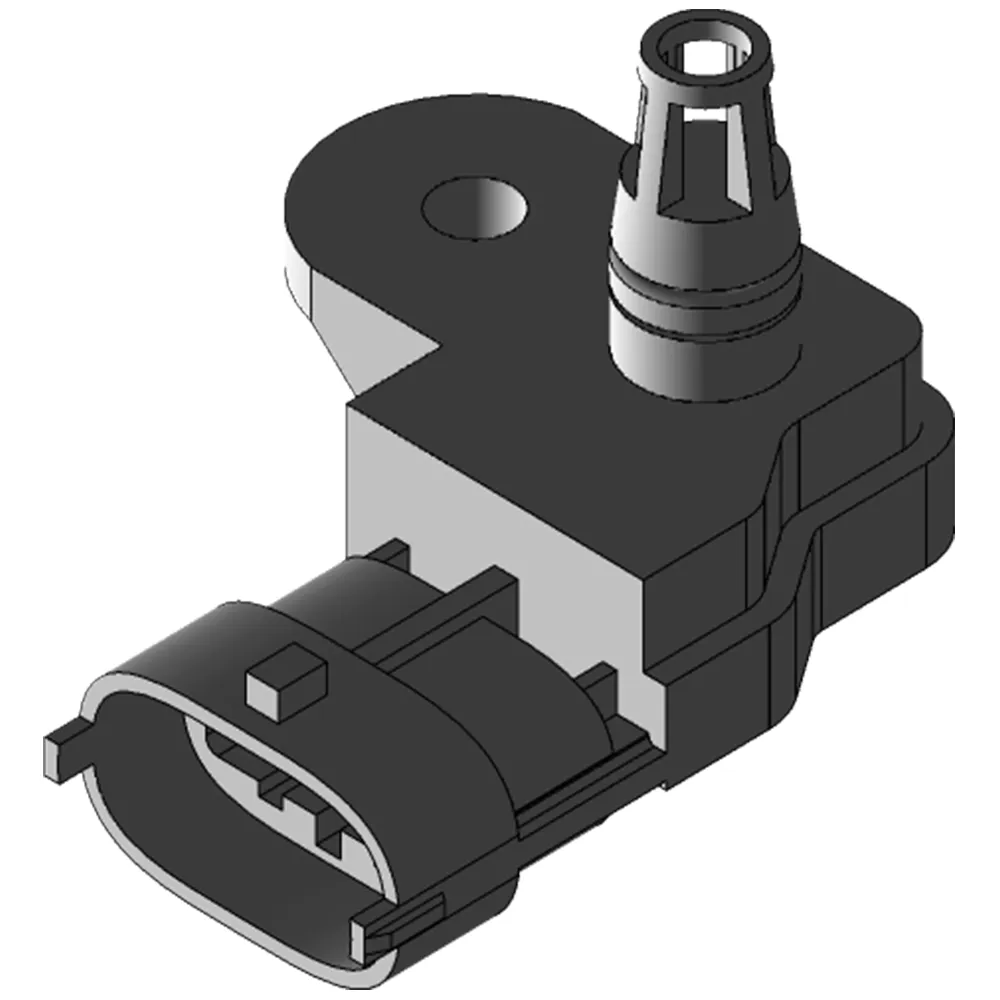








How to Choose the Right PM Sensor for Your Vehicle or Fleet
1. Assessing Vehicle Application and Duty Cycle
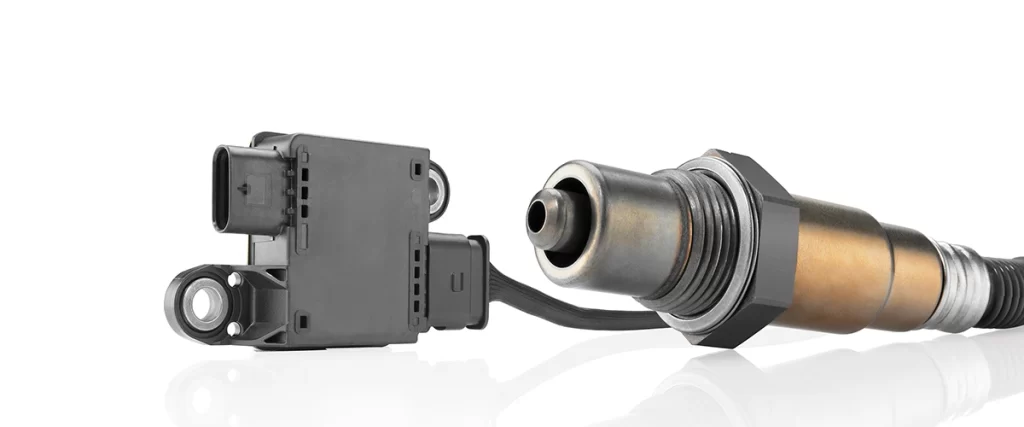
The first step in selecting a PM sensor is understanding the car’s operational profile. Heavy-duty trucks, city buses, and off-highway machinery have distinct duty cycles that influence soot production. Long-haul vehicles may prioritize high-temperature resilience, while urban fleets need rapid response during frequent start-stop conditions.
2. Sensor Technology Comparison
Modern PM sensors use several detection principles:
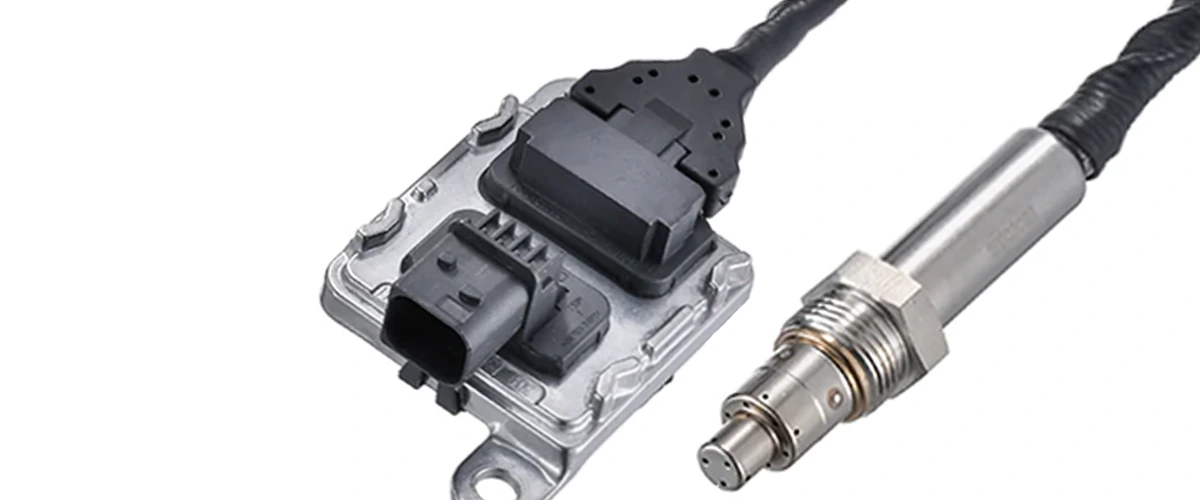
- Resistive (SOOT) Sensors: Cost-effective, durable, and suitable for applications where incremental soot measurement suffices.
- Optical Sensors: Offer high sensitivity and fast response by analyzing light scattering, ideal for precise monitoring in stringent emission zones.
- Capacitive Sensors: Measure dielectric changes with particle accumulation, balancing accuracy with moderate cost.
3. Key Specifications
When evaluating sensors, pay attention to:
- Operating Temperature: Ensure the sensor can withstand exhaust temperatures up to 900 °C (for diesel) or 600 °C (for gasoline).
- Response Time: Faster detection (<100 ms) allows the ECU to trigger timely regeneration events.
- Power Consumption: In hybrid or battery-powered applications, low standby draw (<1 W) preserves battery life.
- Physical Dimensions: Space constraints near the DPF inlet/outlet require compact form factors.
4. Communication Interfaces and ECU Compatibility
PM sensors must integrate seamlessly with existing control systems. Common interfaces include:
- Analog Voltage/Current Outputs: Simple integration for older ECU platforms.
- CAN/CAN-FD Bus: Enables digital data transmission, diagnostics, and firmware updates.
- LIN Bus or Modbus: Used in specialized or retrofit applications.
5. Total Cost of Ownership
Beyond the initial purchase price, consider long-term factors:
- Maintenance & Calibration: Sensors with self-cleaning features or extended calibration intervals reduce downtime.
- Warranty & Support: Choose manufacturers offering comprehensive warranty programs and technical assistance.
- Lifecycle & Upgradeability: Firmware-updatable sensors can adapt to new emission standards without hardware changes.
Choosing the right PM sensor involves balancing performance, reliability, and lifecycle costs against specific car requirements. By assessing application needs, comparing sensor technologies, and considering integration and maintenance factors, user can ensure optimal emission monitoring, compliance, and operational efficiency.
Series Navigation
- What is a PM Sensor and Why It Matters in Emission Control
- How PM Sensors Optimize DPF Regeneration in Diesel Engines
- Rugged PM Sensors for Off-Highway and Construction Equipment
- Understanding Common PM Sensor Fault Codes and How to Resolve Them
- ✅How to Choose the Right PM Sensor for Your Vehicle or Fleet
- Troubleshooting and Maintaining PM Sensors
- Compact PM Sensors for Hybrid and Plug-In Vehicles
- Why PM Sensors Fail: Common Causes, Fault Indicators, and Prevention Tips
- How to Troubleshoot a PM Sensor: Step‑by‑Step Guide
- How to Replace a PM Sensor: Step‑by‑Step Guide
- Common Faults in PM Sensor Replacement