







Why PM Sensors Fail: Common Causes, Fault Indicators, and Prevention Tips
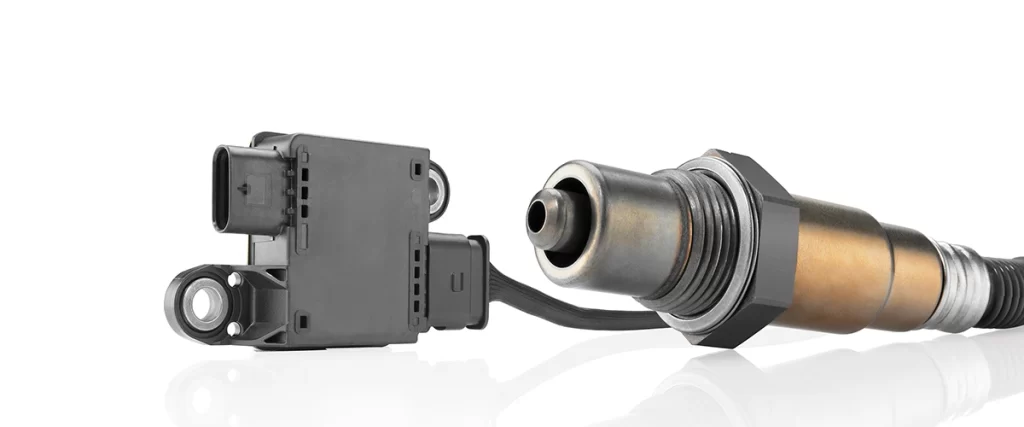
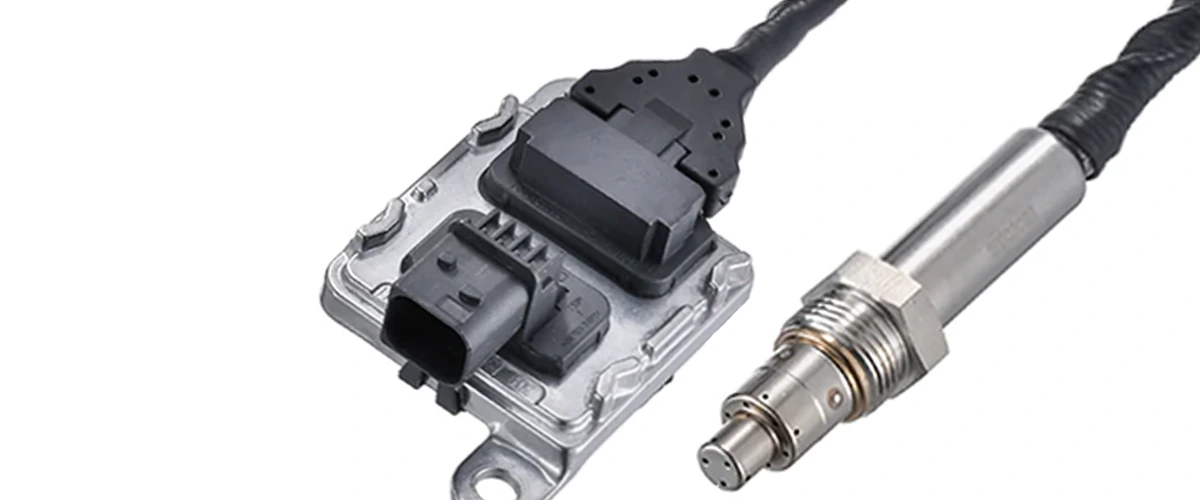
Particulate Matter (PM) sensors — also known as soot sensors — play a critical role in diesel and gasoline particulate filter (DPF/GPF) systems. Mounted downstream of the filter, they detect soot accumulation and help determine regeneration needs and emissions compliance. However, PM sensors are also one of the most failure-prone components in the aftertreatment system. This article explores the top failure causes, how to diagnose PM sensor issues, and how to extend sensor life.
1. Soot Contamination and Sensor Clogging
PM sensors rely on two electrodes that measure soot accumulation over time by creating a resistive path.
Common contamination issues:
- Excessive soot load from delayed or incomplete DPF regeneration
- Ash residue from engine oil additives
- Blocked airflow into the sensor tip due to carbon buildup
Symptoms:
- Inaccurate or flatline readings
- Triggered DTCs like P24AE, P26FA, or P26C3
- Premature regeneration or missed regeneration events
Sensor clogging leads to poor correlation between actual DPF status and ECU estimation, affecting system performance.
2. Moisture Ingress and Condensation Damage
PM sensors operate at high temperatures (often >600°C) but are vulnerable to:
- Condensation inside the sensor tip during cool-down
- Moisture entry from exhaust backpressure washes
- Corrosion of internal electrodes or PCB circuitry
Effects:
- Electrical shorts
- Signal drift or complete sensor failure
- Reduced sensor heating efficiency
Ensure correct sensor orientation and verify gasket sealing during installation to prevent water ingress.
3. Heating Element Failure
Most PM sensors include a built-in heating element to ensure accurate measurement in cold exhaust environments.
Failure causes:
- Broken heater wire due to vibration or manufacturing defect
- Open circuit or short to ground in heater lines
- Heater controller failure in the sensor’s control module
Associated DTCs:
- P26F3, P26F5, P24B1
If the sensor doesn’t reach its operational temperature range, its soot measurement becomes unreliable or completely invalid.
4. Electrical and Communication Failures
PM sensors often communicate via CAN or LIN buses with the ECU. Common electrical issues include:
- Wiring harness damage (chafing, overheating, poor crimping)
- Connector corrosion or pin misalignment
- CAN communication loss due to bus errors or grounding issues
Diagnostics:
- Inspect with OBD tools for communication DTCs (e.g., U029E, U029D)
- Perform resistance checks on power and ground lines
- Use oscilloscope to verify sensor response and protocol activity
Always check wiring continuity before replacing the sensor. Harness faults are more common than actual sensor defects.
5. DPF and Upstream System Influence
A failing DPF can indirectly cause PM sensor faults:
- Cracked or melted DPF substrate allows soot to bypass the filter
- Incorrect regeneration strategies lead to excessive soot exposure
- Exhaust gas composition changes affect soot charge accumulation rate
PM sensor errors may be a symptom of upstream filter issues, not the cause.
6. Sensor Aging and Drift
All PM sensors have a limited lifespan (typically 120,000–160,000 km). Over time, they suffer from:
- Electrode erosion
- Sensor cell degradation
- Measurement drift requiring recalibration
Late-stage aging symptoms:
- Frequent DPF regen triggers
- Sensor stuck at a fixed reading
- Sudden drop in sensor voltage below threshold
How to Diagnose PM Sensor Failure
Step-by-step checks:
- Scan for DTCs (P24AE, P26F3, P26FA, etc.)
- Compare live soot data against mileage and last regen history
- Visually inspect sensor tip for clogging or contamination
- Test heating circuit resistance (typically 3–7 ohms)
- Perform sensor reset or relearn if allowed by ECU software
Prevention Tips
- Replace DPF at end-of-life to reduce soot bypass
- Avoid low-quality oils with high ash content
- Ensure DEF injection and SCR system are working properly
- Protect connectors from underbody wash pressure
- Replace sensor only with OE-equivalent grade parts with matching calibration
PM sensor failure is often a downstream consequence of upstream system issues, like poor regeneration, high soot loading, or electrical faults. Understanding how these sensors work — and what causes them to fail — can help avoid unnecessary replacements and ensure long-term aftertreatment performance.
In real-world diagnostics, a failed PM sensor isn’t always the villain — sometimes it’s the messenger revealing deeper system flaws.
Series Navigation
- What is a PM Sensor and Why It Matters in Emission Control
- How PM Sensors Optimize DPF Regeneration in Diesel Engines
- Rugged PM Sensors for Off-Highway and Construction Equipment
- Understanding Common PM Sensor Fault Codes and How to Resolve Them
- How to Choose the Right PM Sensor for Your Vehicle or Fleet
- Troubleshooting and Maintaining PM Sensors
- Compact PM Sensors for Hybrid and Plug-In Vehicles
- ✅Why PM Sensors Fail: Common Causes, Fault Indicators, and Prevention Tips
- How to Troubleshoot a PM Sensor: Step‑by‑Step Guide
- How to Replace a PM Sensor: Step‑by‑Step Guide
- Common Faults in PM Sensor Replacement