







How to Replace a PM Sensor: Step‑by‑Step Guide
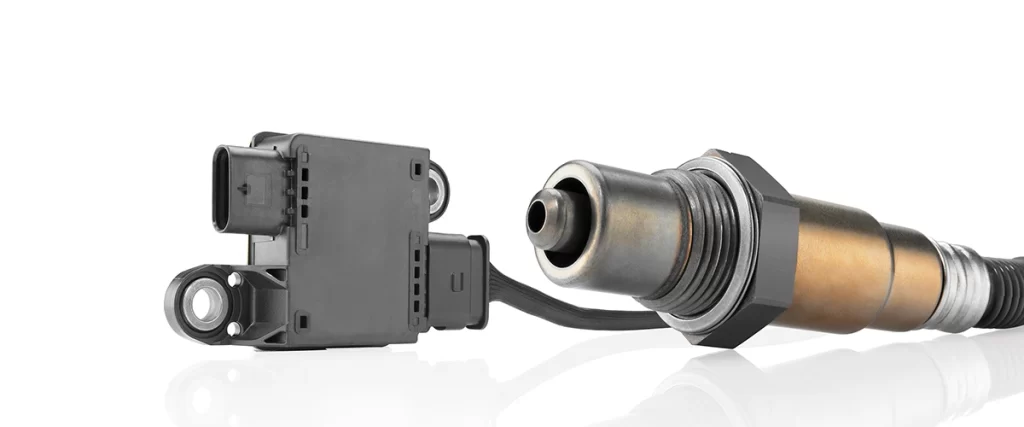
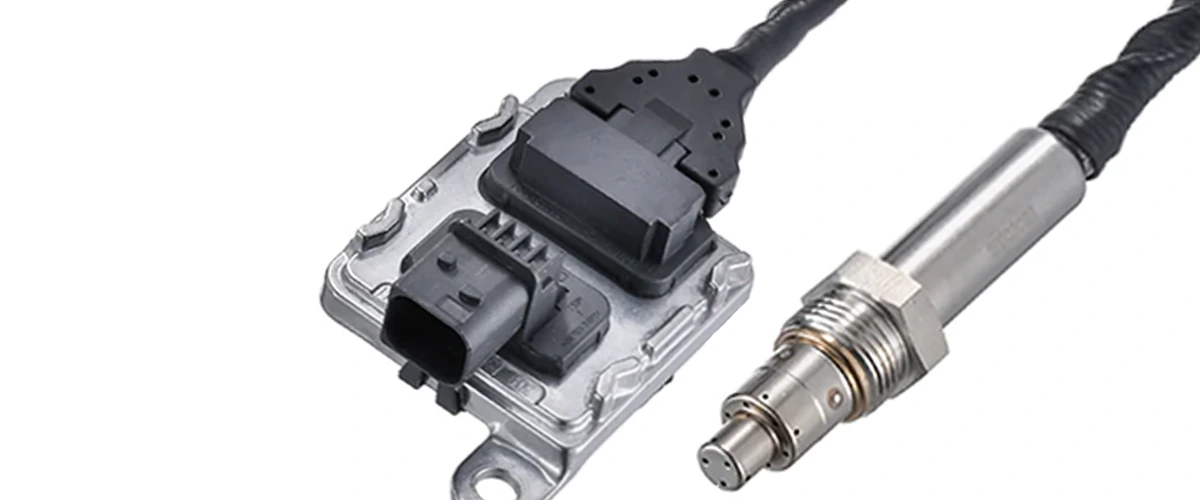
A Particulate Matter (PM) sensor—also known as a soot sensor—is critical for accurate DPF regeneration control and emissions compliance. When a PM sensor fails or reads incorrectly, it can lead to incomplete regens, warning lights, or limp‑home mode. Replacing the sensor properly ensures continued DPF performance and avoids repeat failures. This guide walks you through everything from preparation to final road test.
🧰 Tools & Materials Needed
- OBD‑II scan tool with PM sensor reset function
- Sensor removal socket (PM/oxygen sensor style)
- Torque wrench or breaker bar
- Anti‑seize compound (nickel‑based)
- Replacement PM sensor (OE‑spec)
- Safety gloves and eye protection
- Jack stands or vehicle lift (if under‑vehicle access is required)
🛠 Step 1: Preparation & Safety
- Park the vehicle on a flat, stable surface and engage the parking brake.
- Turn the ignition OFF and allow the exhaust to cool (PM sensors operate at high temp).
- Disconnect the negative battery terminal to avoid electrical faults.
- Record any existing PM‑related DTCs (e.g., P24AE, P26FA) with your scan tool.
🔍 Step 2: Locate the PM Sensor
- Consult the vehicle’s service manual for exact location—common positions are downstream of the DPF housing or exhaust tailpipe.
- Identify the sensor’s wiring harness and protective heat shield or bracket.
🔧 Step 3: Remove the Faulty Sensor
- Disconnect the electrical connector—press the tab and pull straight back.
- Spray penetrating oil on the sensor thread if it’s seized.
- Fit the sensor removal socket or appropriate wrench.
- Turn counterclockwise to loosen and remove the sensor from the exhaust pipe.
Caution: Avoid twisting the harness; support it to prevent connector damage.
🆕 Step 4: Prepare & Install the New Sensor
- Apply a thin layer of anti‑seize compound to the sensor threads (avoid the sensing tip).
- Hand‑thread the new sensor into the exhaust bung to avoid cross‑threading.
- Tighten with torque wrench to manufacturer specification (typically 30–40 Nm).
- Reconnect the electrical connector until you hear a click.
🔄 Step 5: Clear Codes & Calibrate
- Reconnect the battery and turn the ignition ON (do not start).
- Use your OBD‑II scan tool to clear existing DTCs.
- Navigate to the PM Sensor Reset or DPF Regeneration Learn function and follow prompts.
- Some vehicles require an active regeneration to finalize adaptation—initiate via the tool if supported.
🚗 Step 6: Final Verification & Road Test
- Start the engine and monitor live PM sensor readings—values should change with exhaust flow and regen events.
- Check for absence of new DTCs.
- Perform a short test drive, triggering at least one controlled regen to verify proper soot drop.
- Re‑scan to ensure no codes reappear and DPF system is fully operational.
✅ Post‑Replacement Checklist
| Task | Done? ✅ |
|---|---|
| Battary reconnected and DTCs recorded | |
| Faulty sensor removed without harness damage | |
| New sensor installed and torqued correctly | |
| Connector securely reattached | |
| Codes cleared and PM reset performed | |
| Live data monitored during engine idle & regen | |
| Short road test completed without faults |
🚗 Recommended PM Sensors
All units are factory‑calibrated and meet OE specs for direct swap.
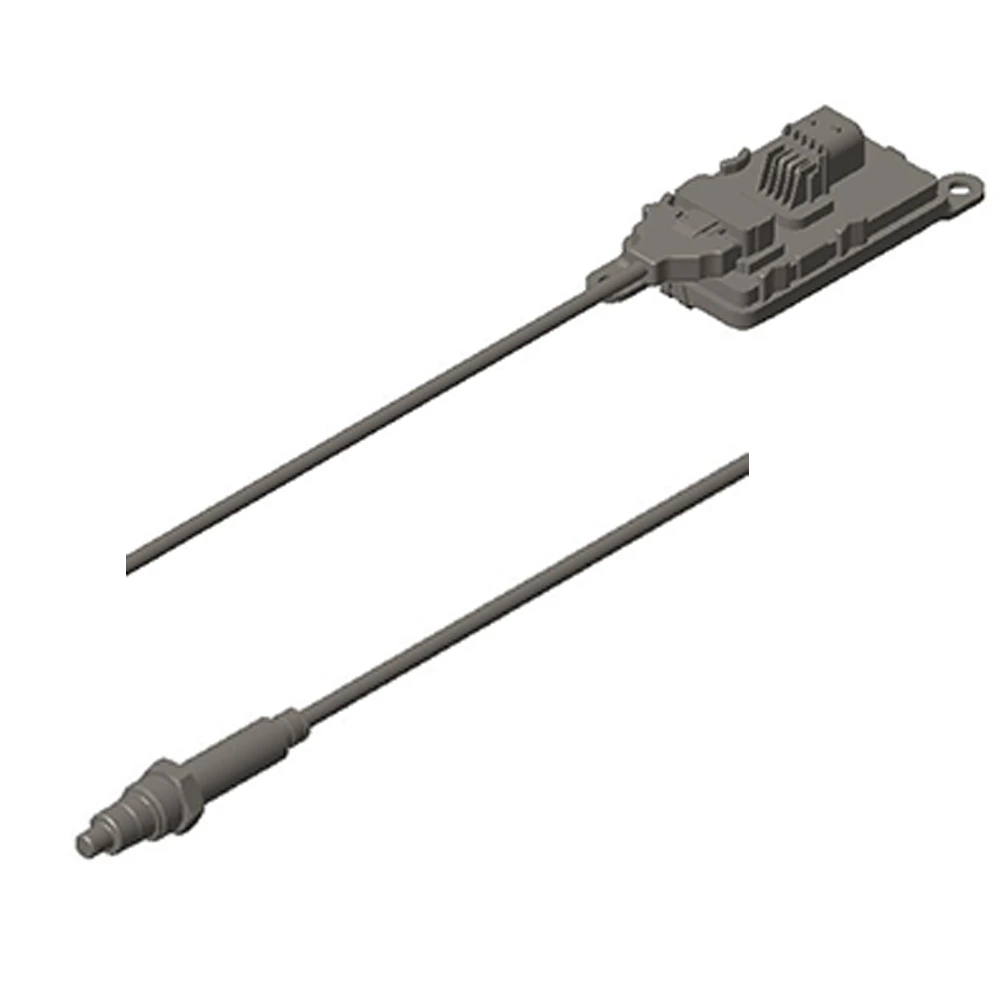
- MC-PMS-072: Upstream DPF sensor for common‑rail diesels (M18×1.5 thread)
- MC-PMS-158: Downstream tailpipe sensor with integrated heater (M14×1.5 thread)
Replacing a PM sensor correctly prevents DPF regeneration failures and helps maintain emissions compliance. Follow each step—especially proper torque and calibration—to ensure long‑term reliability. Always use OE‑specified parts and high‑quality OBD‑II tools for best results.
From an engineering standpoint: A flawless regen begins with precise PM sensing—install it right the first time.
Series Navigation
- What is a PM Sensor and Why It Matters in Emission Control
- How PM Sensors Optimize DPF Regeneration in Diesel Engines
- Rugged PM Sensors for Off-Highway and Construction Equipment
- Understanding Common PM Sensor Fault Codes and How to Resolve Them
- How to Choose the Right PM Sensor for Your Vehicle or Fleet
- Troubleshooting and Maintaining PM Sensors
- Compact PM Sensors for Hybrid and Plug-In Vehicles
- Why PM Sensors Fail: Common Causes, Fault Indicators, and Prevention Tips
- How to Troubleshoot a PM Sensor: Step‑by‑Step Guide
- ✅How to Replace a PM Sensor: Step‑by‑Step Guide
- Common Faults in PM Sensor Replacement