








Troubleshooting and Maintaining PM Sensors
1. Common PM Sensor Failure Modes
PM sensors can experience several types of failures, including:
- Fouling and clogging: Excess soot buildup on optical or resistive elements reduces sensitivity.
- Drift: Sensor baseline shifts over time due to thermal stress or contamination.
- Electronic faults: Wiring issues or connector corrosion leading to intermittent signals.
- Mechanical damage: Vibration-induced fractures in sensor housing or mounts.
2. Diagnostic Procedures Using OBD and Telematics
Start troubleshooting by retrieving diagnostic trouble codes (DTCs) via OBD-II or telematics platforms. Key steps include:
- Scan for PM-related codes (e.g., P24AF for DPF pressure sensor irregularities).
- Monitor live data to observe PM concentration trends and identify anomalies.
- Compare pre- and post-DPF readings to detect delta discrepancies indicative of sensor drift.
3. Cleaning and Recalibration Techniques
- Optical sensors: Use controlled air blasts or isopropyl alcohol swabs to clear lens surfaces. Avoid harsh solvents that may damage coatings.
- Resistive sensors: Implement in-situ regeneration cycles at elevated exhaust temperatures to burn off accumulated soot.
- Recalibration: Utilize OEM or aftermarket calibration tools to reset sensor baselines, ensuring accurate readings post-cleaning.
4. Preventive Maintenance Best Practices
- Schedule routine inspections: Align with DPF service intervals to minimize unexpected failures.
- Monitor environmental conditions: High sulfur fuels or heavy idling can accelerate sensor fouling.
- Ensure proper grounding and shielding: Prevent electrical noise from corrupting sensor signals.
- Update firmware: Apply sensor firmware updates to benefit from improved drift compensation and self-test algorithms.
5. When to Replace a PM Sensor
Despite best practices, sensors may reach end-of-life. Consider replacement when:
- Persistent error codes reappear after cleaning and recalibration.
- Response time degrades beyond manufacturer specifications.
- Physical damage compromises sensor integrity.
- Firmware upgrades are incompatible with legacy hardware.
Effective troubleshooting and maintenance of PM sensors are critical to sustaining emission compliance and vehicle uptime. By understanding common failure modes and implementing proactive care, user can extend sensor life, reduce repair costs, and ensure accurate particulate monitoring for years to come.
Series Navigation
- What is a PM Sensor and Why It Matters in Emission Control
- How PM Sensors Optimize DPF Regeneration in Diesel Engines
- Rugged PM Sensors for Off-Highway and Construction Equipment
- Understanding Common PM Sensor Fault Codes and How to Resolve Them
- How to Choose the Right PM Sensor for Your Vehicle or Fleet
- ✅Troubleshooting and Maintaining PM Sensors
- Compact PM Sensors for Hybrid and Plug-In Vehicles
- Why PM Sensors Fail: Common Causes, Fault Indicators, and Prevention Tips
- How to Troubleshoot a PM Sensor: Step‑by‑Step Guide
- How to Replace a PM Sensor: Step‑by‑Step Guide
- Common Faults in PM Sensor Replacement

Related article resources and products
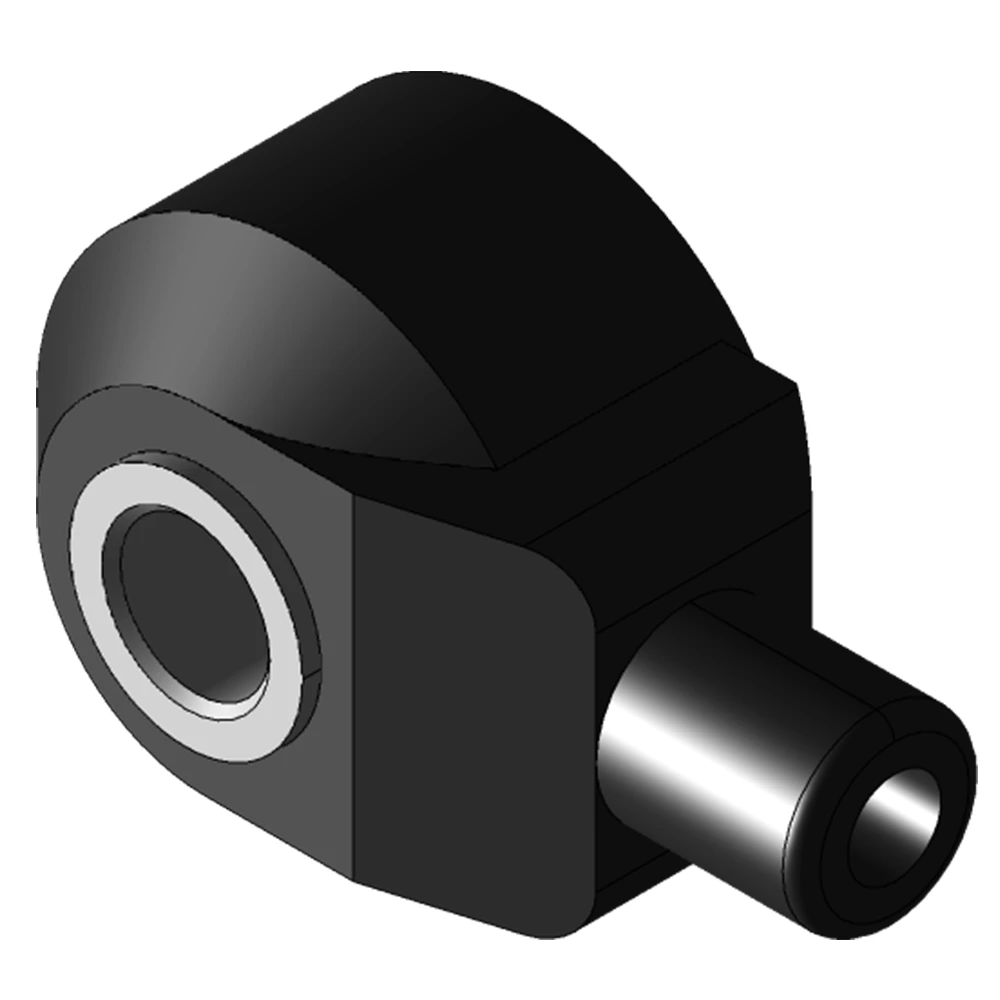
Knock Sensor
MOOCAR Knock Sensor detects abnormal engine vibrations to prevent damage and optimize performance. MOOCAR Knock Sensor production processes comply with IATF16949 and ISO14001 standards, with…
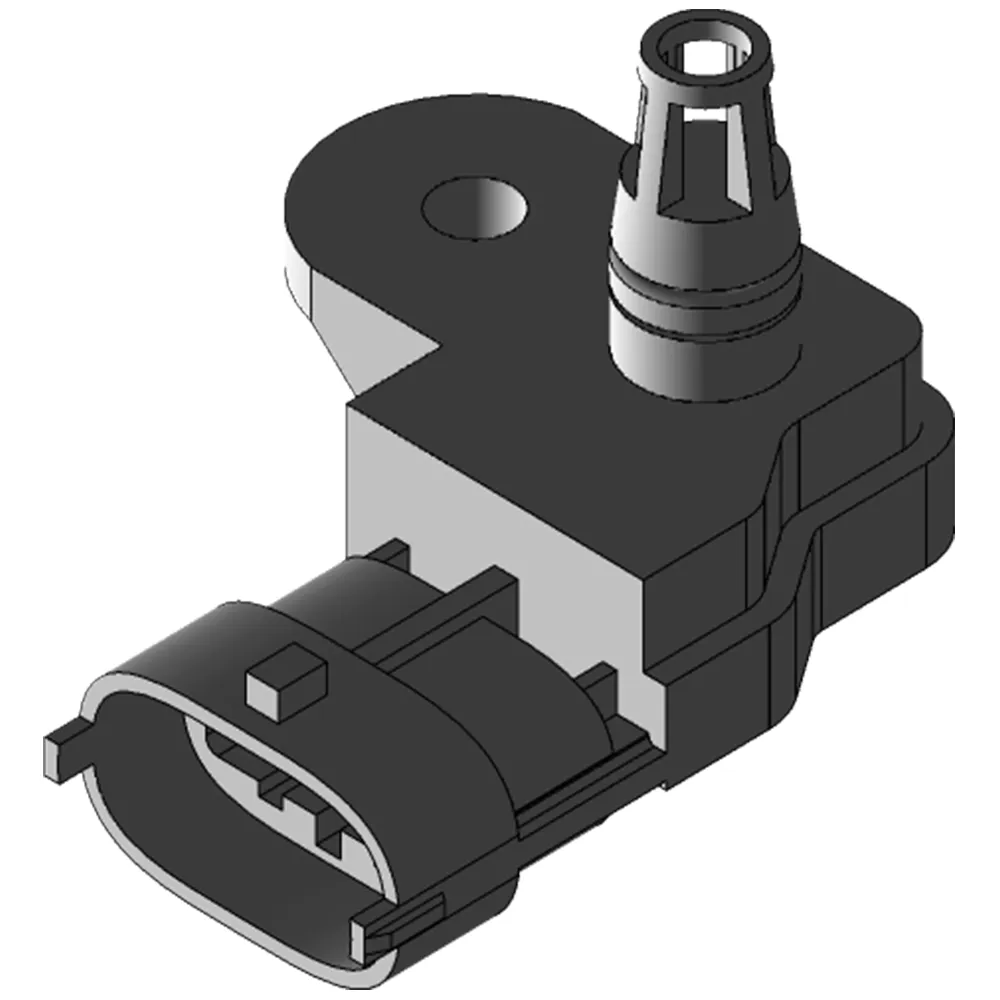
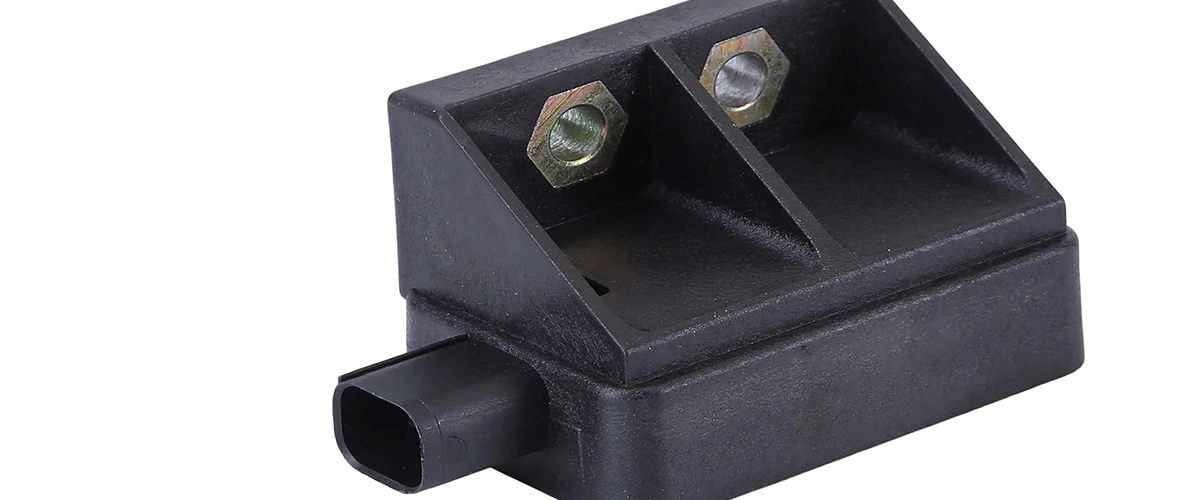
MAP Sensor
MOOCAR MAP Sensor measures manifold pressure for optimal engine tuning. MOOCAR MAP Sensor production processes comply with IATF16949 and ISO14001 standards, with performance fully aligned…
Dnox Temperature Sensor
MOOCAR Dnox Temperature Sensor monitors specific temperature parameters critical for system performance. MOOCAR Dnox Temperature Sensor production processes comply with IATF16949 and ISO14001 standards, with…
How to Replace an Exhaust Gas Temperature Sensor: Step‑by‑Step Guide
Follow our detailed guide to safely replace an EGT sensor on diesel and gasoline vehicles. Covers tools, removal, installation, torque specs, and final verification to…
Intake Air Temperature (IAT) Sensor – How it works & failed?
How IAT sensor work?
Why IAT sensor failed?
What are common IAT sensor fault codes?
What are symptoms of Intake air temperature (IAT) sensor malfunction?
How to troubleshooting an…
MAP sensor – How MAP sensor work & failed?
How MAP sensor work?
How MAP sensor work?
Common MAP sensor fault codes?
What to pay attention to in the case of a failed MAP sensor?
Troubleshooting a MAP…