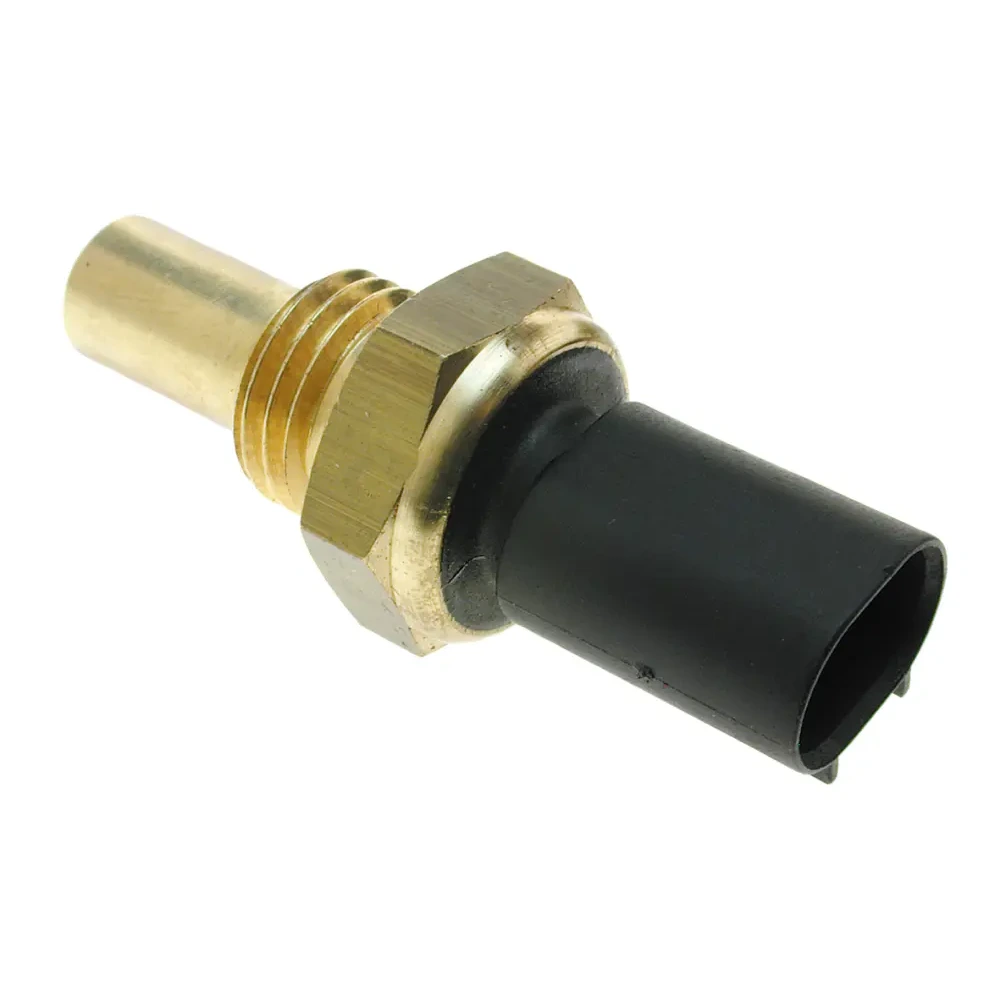








Rugged PM Sensors for Off-Highway and Construction Equipment
1. Emission Standards for NRMM
Non-road mobile machinery (NRMM) such as excavators, loaders, and generators must comply with Stage V in Europe and EPA Tier 4 in the U.S., which impose strict particulate limits. These standards drive the need for reliable PM monitoring to ensure continuous compliance.
2. Vibration- and Heat-Resistant Sensor Design
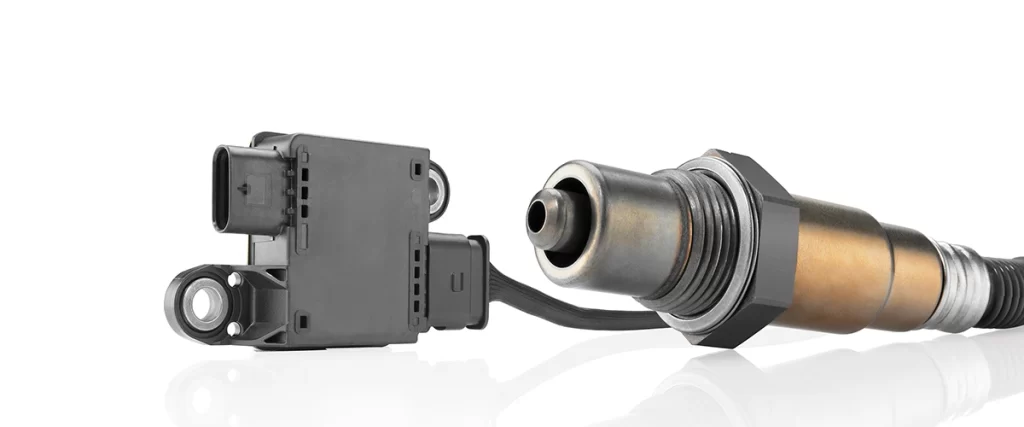
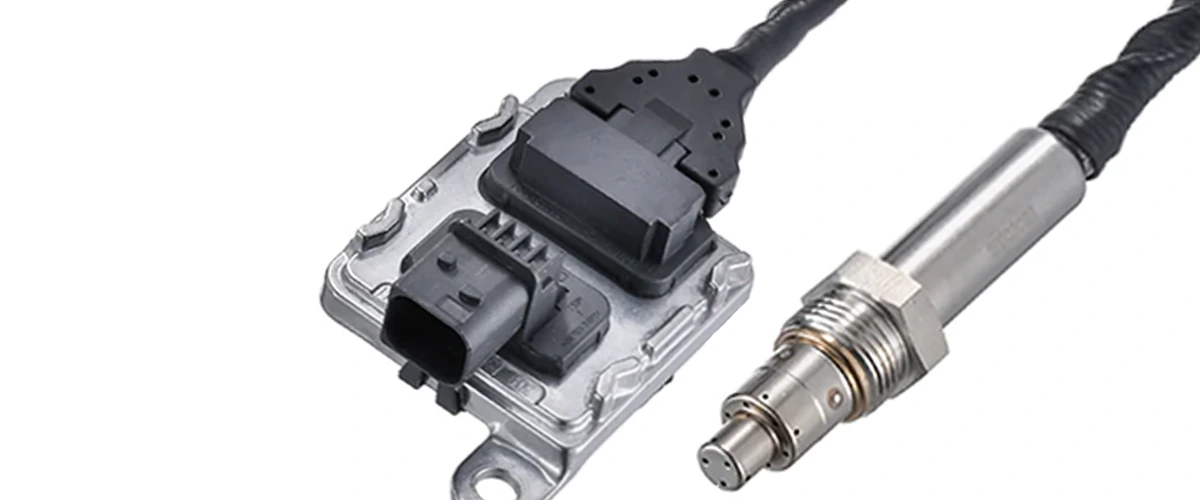
Construction sites present extreme conditions: constant vibration, dust, and high exhaust temperatures. Our rugged PM sensors feature reinforced housings, shock-absorbing mounts, and high-temperature electronics capable of operating reliably up to 900 °C.
3. Connectivity with ECU and After-Treatment Systems
Seamless integration with existing ECUs is critical. Our sensors support CAN and analog outputs, allowing direct communication with DPF controllers and SCR units. Plug-and-play connectors simplify installation on diverse equipment platforms.
4. Improving Uptime and Maintenance
Real-time soot data helps schedule proactive DPF regeneration, reducing unplanned downtime. Fleets equipped with our sensors report a 20% decrease in service interventions and a 15% extension in filter life, translating into lower operating costs.
5. Real-World Deployment Cases
In a case study with a major mining fleet, retrofitting rugged PM sensors on 50 excavators led to compliance improvement and a 25% reduction in particulate emissions over six months. Operators also noted smoother regeneration cycles and improved fuel efficiency.
Conclusion
For off-highway and construction applications where reliability is non-negotiable, our rugged PM sensors deliver the accuracy and durability needed to meet the toughest emissions standards while maximizing equipment uptime.
Series Navigation
- What is a PM Sensor and Why It Matters in Emission Control
- How PM Sensors Optimize DPF Regeneration in Diesel Engines
- ✅Rugged PM Sensors for Off-Highway and Construction Equipment
- Understanding Common PM Sensor Fault Codes and How to Resolve Them
- How to Choose the Right PM Sensor for Your Vehicle or Fleet
- Troubleshooting and Maintaining PM Sensors
- Compact PM Sensors for Hybrid and Plug-In Vehicles
- Why PM Sensors Fail: Common Causes, Fault Indicators, and Prevention Tips
- How to Troubleshoot a PM Sensor: Step‑by‑Step Guide
- How to Replace a PM Sensor: Step‑by‑Step Guide
- Common Faults in PM Sensor Replacement