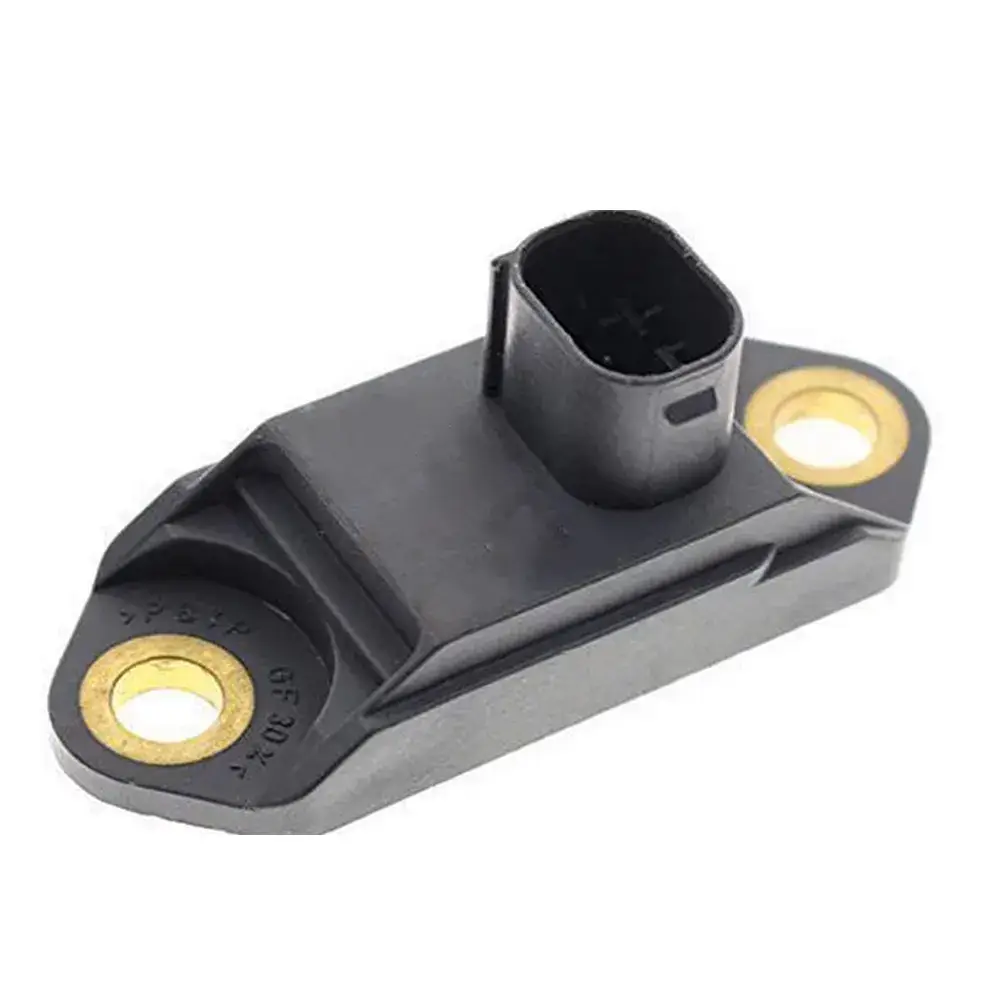








What is a Blind Spot Detection Sensor and Why It’s Critical for Road Safety
Your vehicle’s mirrors lie. No matter how perfectly you adjust them, areas along both sides of your car remain invisible – dangerous zones known as blind spots. Every year, these hidden areas contribute to 500,000+ lane-change accidents in the US alone. Enter the Blind Spot Detection (BSD) sensor: an electronic guardian that watches where your eyes can’t.
How BSD Sensors Work: The Invisible Watchdog
BSD systems use hidden sensors to continuously scan the areas beside and behind your vehicle:
- Radar-Based (Most Common)
- Emits 24GHz radio waves from rear bumper corners
- Detects objects within 10-20 feet
- Works in all weather conditions
- Ultrasonic Sensors
- Uses sound waves for short-range detection
- Common in parking assist systems
- Camera Systems
- Wide-angle lenses mounted near side mirrors
- Uses AI to identify vehicles
Real-Time Alert System: When a vehicle enters your blind spot, the system triggers: → Amber warning lights in side mirrors/A-pillars → Audible alerts if you activate turn signals → Steering wheel vibrations in advanced systems
Why BSD Isn’t Just Convenience – It’s a Lifesaver
1. Eliminates Human Limitations:
- Covers areas mirrors can’t reach
- Reacts faster than human perception (0.2s vs 1.6s)
2. Prevents Catastrophic Collisions:
- Reduces lane-change crashes by up to 14% (IIHS)
- Critical for preventing motorcycle/bicycle accidents
3. Works When You’re Distracted:
- Monitors continuously during phone calls/fatigue
- Essential for highway driving (65+ mph)
4. Enhances Heavy Vehicle Safety:
- 18-wheelers have 85% larger blind spots
- Prevents “squeeze” accidents during merges
The Evolution of Blind Spot Tech
| Generation | Capabilities |
|---|---|
| Gen 1 (2003) | Basic vehicle detection |
| Gen 2 (2010) | Added cross-traffic alerts |
| Gen 3 (Present) | Integrated with automatic steering intervention |
Real-World Impact: Beyond Statistics
- Case Study: A 2023 NHTSA report showed BSD-equipped vehicles had 31% fewer sideswipe injuries
- Driver Testimonial: “My BSD beeped as I started changing lanes – saved me from hitting a speeding motorcycle I never saw.” – Maria T., Colorado
Limitations & Critical Notes
⚠️ Not Autonomous: Drivers must still check mirrors
⚠️ Weather Vulnerable: Heavy snow/ice can block sensors
⚠️ Calibration Required: Post-accident repairs demand specialist recalibration
The Road Ahead
As vehicles trend toward full autonomy, BSD sensors form the foundation of collision avoidance systems. By 2027, 90% of new cars will include BSD as standard (BloombergNEF).
Key Takeaways:
✅ BSD sensors detect vehicles in mirrors’ hidden zones
✅ Radar systems provide the most reliable coverage
✅ Prevents ~1 in 7 potential lane-change collisions
✅ Requires periodic maintenance and calibration
✅ Becoming mandatory safety equipment worldwide
This technology transforms blind spots from deadly hazards into monitored zones – making it one of the most impactful automotive safety innovations since the seatbelt. As road density increases and driver distractions multiply, BSD systems have evolved from luxury extras to essential lifesaving equipment.
Series Navigation
- ✅What is a Blind Spot Detection Sensor and Why It’s Critical for Road Safety
- How BSD Sensors Work with Lane Keep Assist and Cross-Traffic Alert
- Ruggedized BSD Solutions for Commercial Trucks and Heavy-Duty Vehicles
- Decoding Common BSD Sensor Fault Codes and Troubleshooting Steps
- Choosing the Right BSD System for Your Vehicle or Fleet
- Maintenance and Calibration of Blind Spot Detection Sensors
- Compact and Integrated BSD Designs for Modern EVs and Compact Cars
- Why BSD Sensors Fail: Causes, Warning Signs, and Prevention
- Step-by-Step Guide to Diagnosing BSD Sensor Issues
- Replacing a Blind Spot Detection Sensor: Step-by-Step Instructions
- Common Pitfalls During BSD Sensor Replacement & How to Avoid Them