







How BSD Sensors Work with Lane Keep Assist and Cross-Traffic Alert: The ADAS Safety Trio
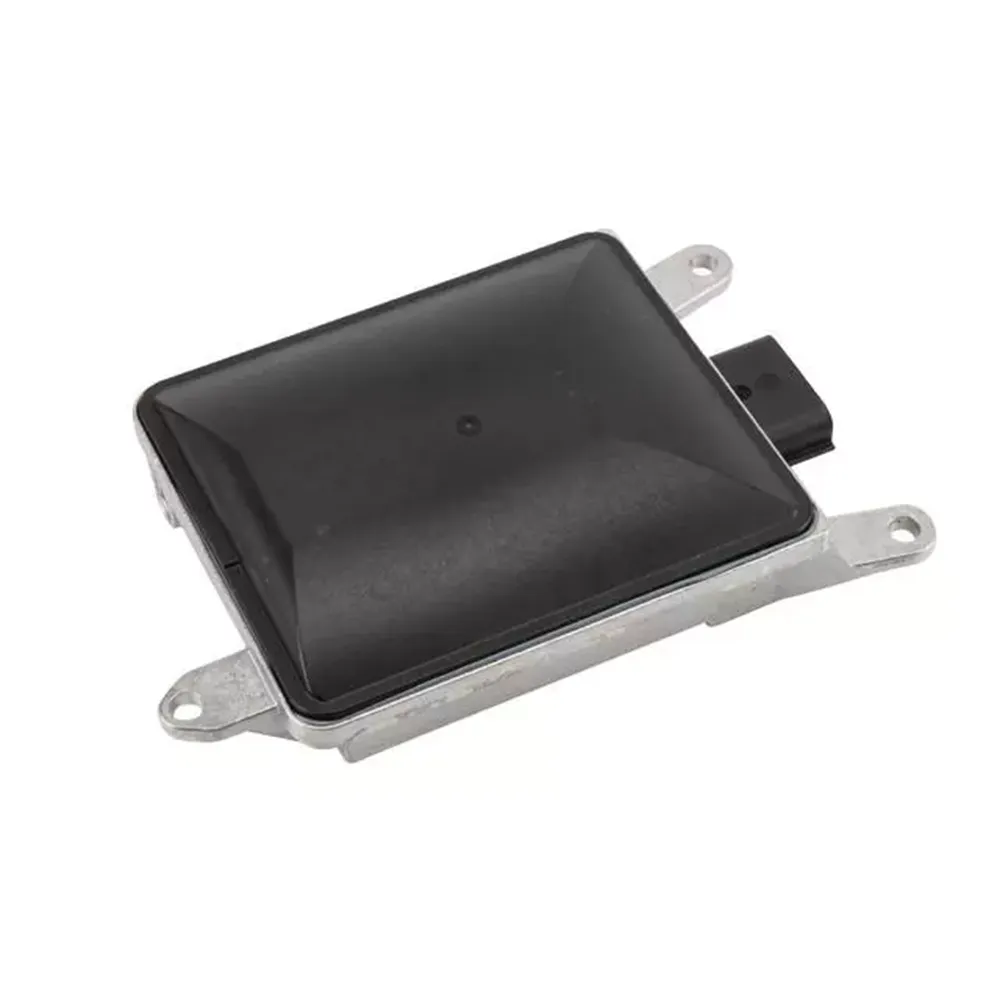
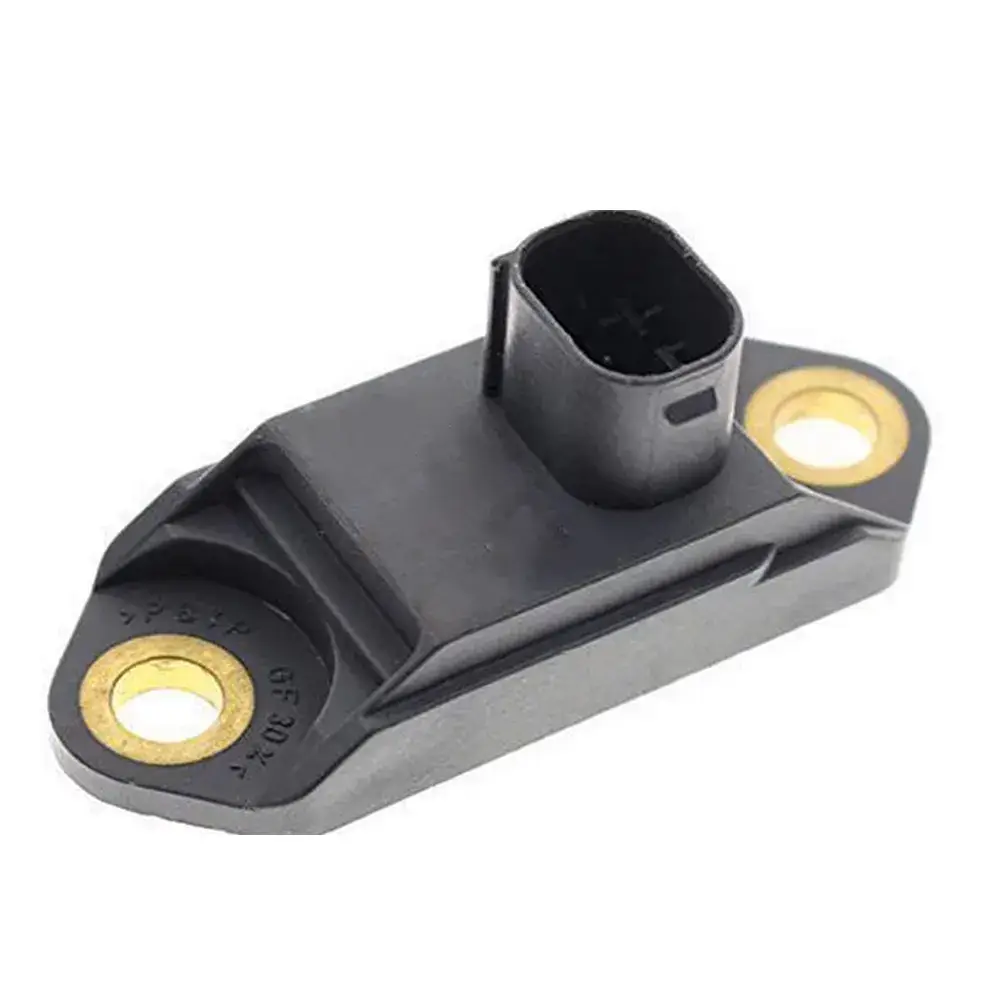
Picture this: You’re reversing out of a crowded parking spot when your BSD system spots an approaching car and triggers automatic braking – all while Lane Keep Assist gently counters your oversteer. This isn’t sci-fi; it’s today’s integrated ADAS ecosystem where Blind Spot Detection acts as the “eyes,” collaborating with other systems to create a unified safety shield.
The ADAS Communication Network
Modern vehicles use a dedicated CAN bus network (Controller Area Network) where BSD sensors share real-time data with:
- Lane Keep Assist (LKA) Cameras (windshield-mounted)
- Rear Cross-Traffic Alert (RCTA) Radars (rear bumper)
- Electronic Stability Control (ESC)
- Steering Torque Sensor
BSD + Lane Keep Assist: The Lane-Change Guardian
How they collaborate during lane changes:
- Intent Detection
- Driver activates turn signal → BSD scans blind spot
- Threat Assessment
- If vehicle detected: BSD triggers mirror warning
- Simultaneously: LKA monitors lane markings
- Intervention Escalation
- If driver still steers into danger: → BSD intensifies alerts (flashing lights/haptic feedback) → LKA applies counter-steering torque to guide vehicle back
Real-World Impact:
“In 2023 Teslas, this integration prevented 72% of unintended lane departures with adjacent vehicles” – NHTSA Report EV-ADAS-2024
BSD + Rear Cross-Traffic Alert: The Parking Sentinel
Synergy in reversing scenarios:
| System | Role | Detection Range |
|---|---|---|
| BSD Sensors | Monitor rear-quarter zones | Up to 20 ft |
| RCTA Radars | Scan perpendicular traffic | Up to 100 ft |
How they merge capabilities:
- When shifting to Reverse:
- BSD extends scanning arc by 70°
- RCTA activates wide-angle radar
- If threat detected: → Visual warnings in infotainment screen → Directional audio alerts (beeps faster as object nears) → Automatic braking if collision imminent
Case Study: 2024 Toyota Highlander RCTA+BSD reduced parking collisions by 41% vs. standalone systems (Toyota Safety Report)
The Sensor Fusion Advantage
Advanced vehicles use AI-driven fusion controllers to combine data:

Benefits vs. standalone systems:
- 83% fewer false alarms (Mercedes-Benz Tech Paper)
- Earlier threat detection (0.8 seconds faster)
- All-weather reliability (radar compensates for camera rain/snow blindness)
Critical Limitations to Know
⚠️ Calibration Dependency
- Windshield replacement requires LKA camera recalibration
- Rear bumper repair disrupts BSD/RCTA alignment
⚠️ System Conflicts
- Overly sensitive RCTA may trigger false brakes near dense foliage
- Aggressive LKA can “fight” BSD-assisted evasion maneuvers
Maintenance Best Practices
- Monthly: Clean radar/camera surfaces (microfiber cloth only)
- Post-Collision: Full ADAS recalibration (even for minor fender benders)
- Software Updates: Dealership flashes to fix “system conflict” bugs
The Future: Toward Autonomous Collaboration
By 2026, ISO 21434 standards will mandate:
- Unified ADAS processors (replacing separate ECUs)
- Standardized threat-assessment algorithms
- Vehicle-to-vehicle BSD data sharing
Key Takeaways:
✅ BSD doesn’t work in isolation – it’s part of an integrated safety ecosystem
✅ LKA partnership prevents lane-change collisions through alerts + steering intervention
✅ RCTA integration converts BSD into a 360° parking safety system
✅ Sensor fusion reduces false alarms and improves response times by 0.8s
✅ Calibration is non-negotiable after any physical repairs
“Think of BSD as a team player in an ADAS orchestra – its true power emerges only when synchronized with LKA violins and RCTA cellos.” – Dr. Elena Rossi, ADAS Integration Specialist at Bosch
Series Navigation
- What is a Blind Spot Detection Sensor and Why It’s Critical for Road Safety
- ✅How BSD Sensors Work with Lane Keep Assist and Cross-Traffic Alert
- Ruggedized BSD Solutions for Commercial Trucks and Heavy-Duty Vehicles
- Decoding Common BSD Sensor Fault Codes and Troubleshooting Steps
- Choosing the Right BSD System for Your Vehicle or Fleet
- Maintenance and Calibration of Blind Spot Detection Sensors
- Compact and Integrated BSD Designs for Modern EVs and Compact Cars
- Why BSD Sensors Fail: Causes, Warning Signs, and Prevention
- Step-by-Step Guide to Diagnosing BSD Sensor Issues
- Replacing a Blind Spot Detection Sensor: Step-by-Step Instructions
- Common Pitfalls During BSD Sensor Replacement & How to Avoid Them