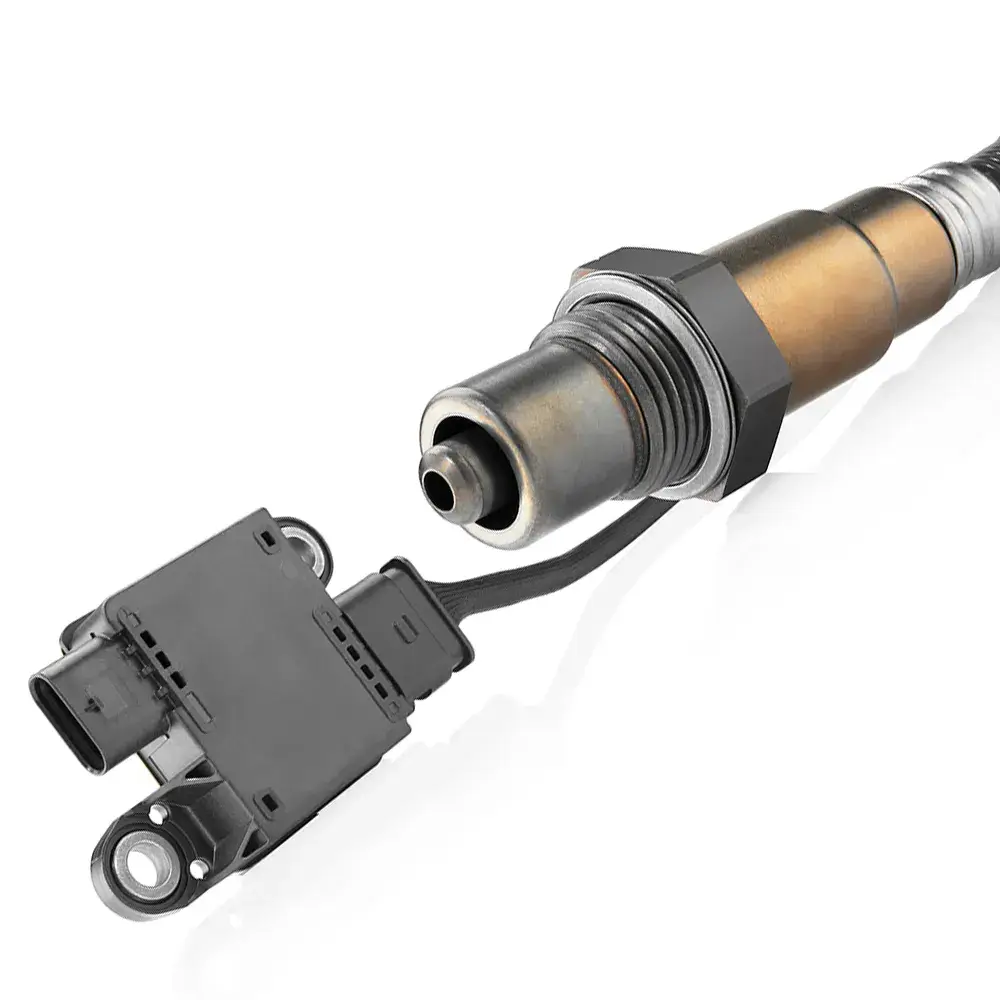








How to Install an Acceleration Sensor: Step-by-Step Guide
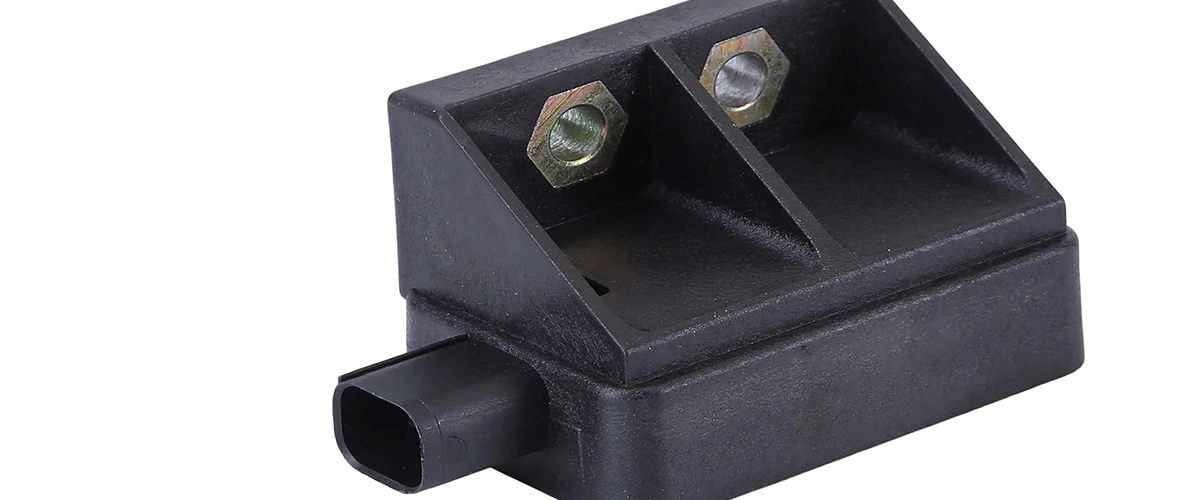
The Acceleration Sensor, also called a longitudinal or lateral G-sensor, plays a vital role in ESC (Electronic Stability Control), ABS, and transmission systems by detecting vehicle acceleration forces. Whether replacing a failed sensor or installing a new unit, proper installation is essential to ensure sensor accuracy and system stability. This guide walks you through the correct procedure to install an acceleration sensor, avoid common mistakes, and complete calibration after mounting.
🧰 Tools and Materials Needed
- Socket wrench set
- Torque wrench
- Screwdrivers (Phillips/Torx as required)
- OBD2 diagnostic tool with ESC calibration function
- Manufacturer service manual (recommended)
- Clean cloth and alcohol wipes (for mounting surface)
🛠 Step 1: Preparation and Safety
- Park the vehicle on a level surface.
- Set the wheels straight and engage the handbrake.
- Disconnect the negative battery terminal to avoid system faults.
- Wait 5–10 minutes for all electronic modules to shut down.
⚠️ Always verify you’re working with the correct sensor axis—longitudinal (X), lateral (Y), or vertical (Z), depending on system.
🧩 Step 2: Locate the Sensor Mounting Area
Common mounting locations include:
- Center console tunnel (under carpet or trim)
- Floorpan behind center dashboard
- Under rear seat or near battery housing
- Some may be attached to the ABS module or subframe
Use the service manual or scan tool sensor ID to confirm correct location.
🔧 Step 3: Remove the Old Sensor
- Disconnect the electrical connector carefully.
- Remove mounting bolts (usually 2 or 3 bolts, 6–10 Nm torque).
- Inspect mounting surface for rust, debris, or oil—clean it before installing the new sensor.
- Note the original orientation of the sensor (arrows or label usually show direction of X/Y axis).
⚙️ Step 4: Install the New Sensor
- Position the new sensor flat and aligned—the arrow on the housing must point in the correct axis.
- Torque the bolts to manufacturer spec (commonly 6–10 Nm).
- Do not overtighten, as many sensors are mounted on plastic brackets or sensitive modules.
- Reconnect the sensor harness plug until it clicks securely.
❗ Misalignment or tilt can cause inaccurate readings and ESC malfunction.
📟 Step 5: Perform Calibration (Zero Point Initialization)
After installation, the sensor must be calibrated so that the system reads “0g” when the car is stationary and level.
To calibrate:
- Reconnect the battery and turn ignition to ON (do not start engine).
- Use your scan tool to navigate to:
ESC > Acceleration Sensor > Zero Point Calibration - Ensure the vehicle is on level ground, not jacked up or uneven.
- Follow prompts to set the current sensor position as the new baseline.
Some vehicles support auto-calibration after driving straight for 100–500 meters.
✅ Final Checklist
| Task | Done? ✅ |
|---|---|
| Vehicle parked level | |
| Battery disconnected before work | |
| Mounting surface cleaned | |
| Sensor aligned in correct orientation | |
| Bolts torqued to specification | |
| Connector reattached properly | |
| Sensor zero point calibrated via scan tool |
Installing an acceleration sensor requires more than just plugging in a new part—it demands correct orientation, mounting torque, and calibration to ensure accurate acceleration feedback to the ESC system. Improper installation may not trigger a DTC immediately but will degrade system response and driver safety. Always verify with live data after installation.
From an engineering standpoint, every G-sensor you install is a digital reference for motion—precision matters.
Series Navigation
- Understanding Longitudinal Acceleration Sensors in Modern Vehicles
- Design Principles and Sensing Technologies Behind Automotive Accelerometers
- Performance Parameters: Accuracy, Bandwidth, and Drift
- Testing and Qualification of Acceleration Sensors
- Why Acceleration Sensors Fail: Top Causes, Failure Modes, and Diagnostic Guide
- How to Troubleshoot Acceleration Sensors in Modern Vehicles
- ✅How to Install an Acceleration Sensor: Step-by-Step Guide
- Common Mistakes in Acceleration Sensor Replacement