







How to Troubleshoot Acceleration Sensors in Modern Vehicles
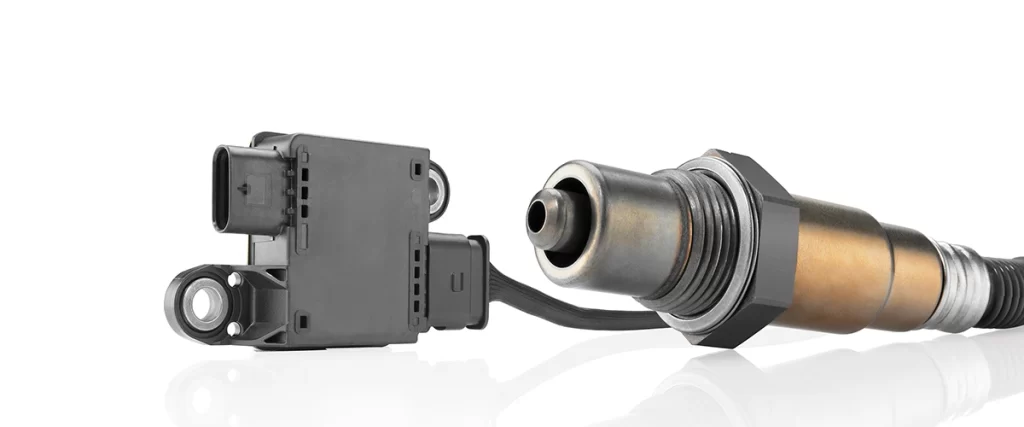
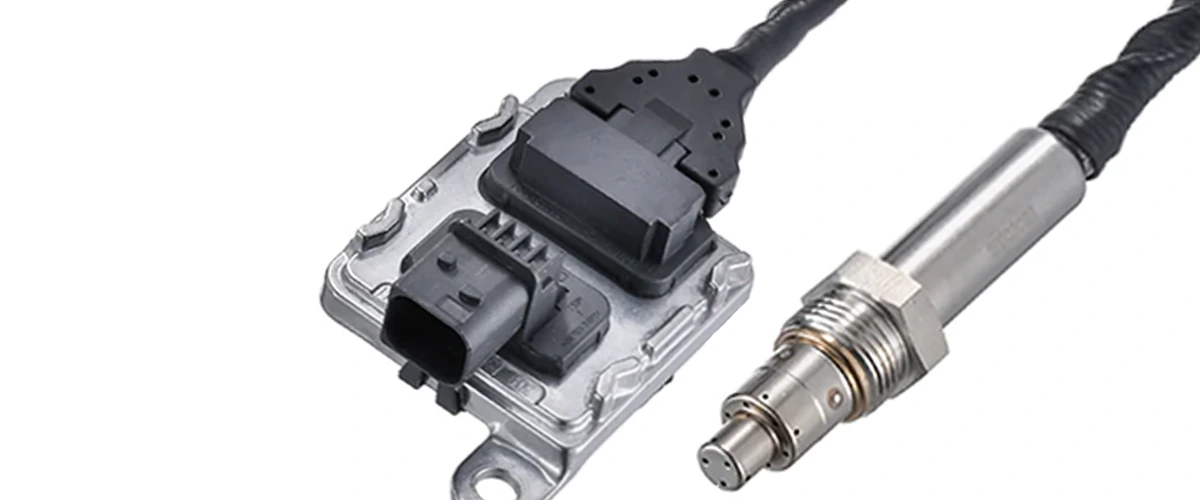
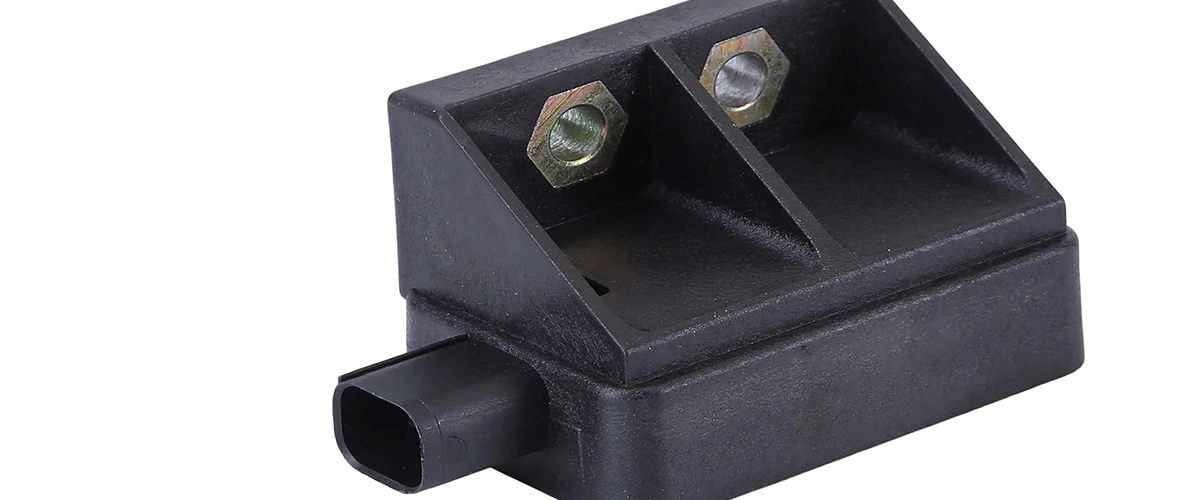
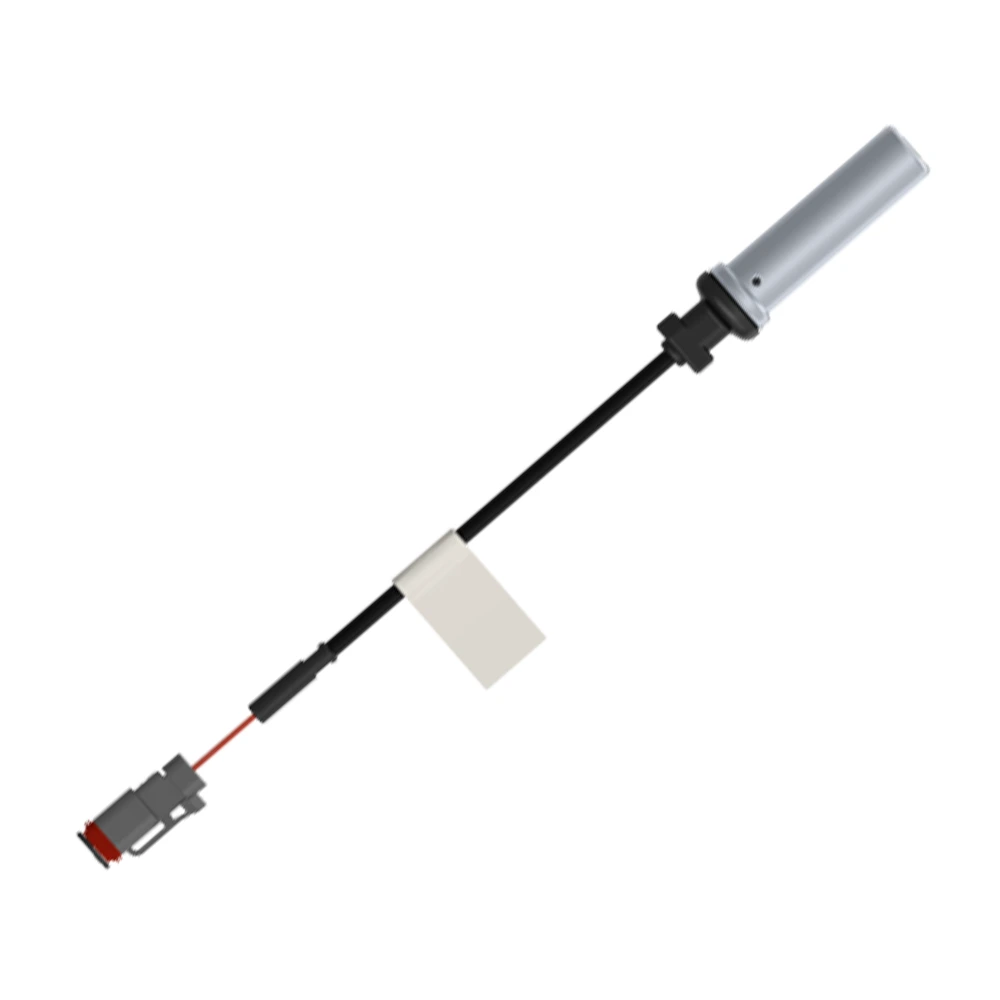
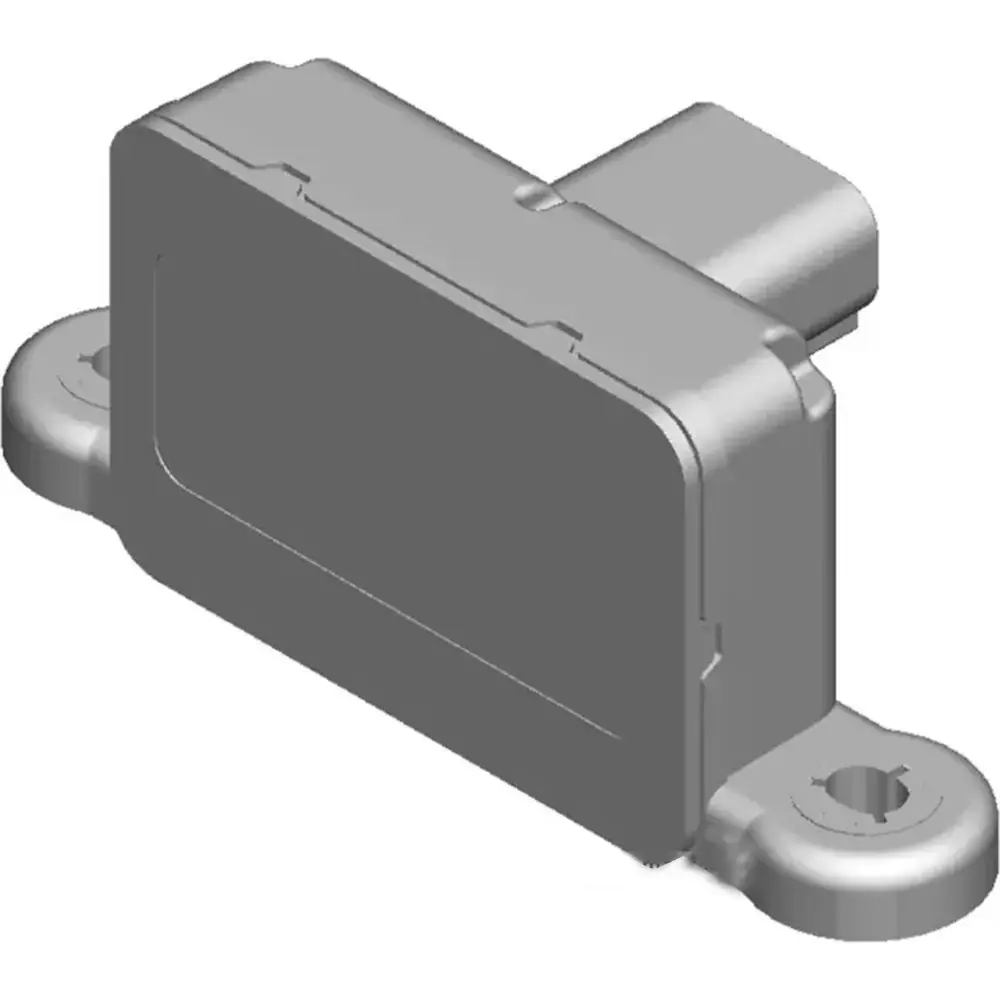
Acceleration sensors—commonly known as G-sensors or longitudinal/lateral acceleration sensors—are vital in today’s automotive safety and control systems. They provide real-time data on how fast a vehicle is accelerating or decelerating along a specific axis, enabling critical systems like Electronic Stability Control (ESC), Anti-lock Braking Systems (ABS), and Adaptive Cruise Control (ACC) to respond correctly. A faulty acceleration sensor can lead to erratic braking, unexpected ESC activation, or inaccurate vehicle behavior modeling. This guide covers step-by-step troubleshooting methods for identifying and resolving acceleration sensor issues.
🔧 Step 1: Recognize the Symptoms of Sensor Failure
Be aware of the most common signs of an acceleration sensor issue:
- 🚨 ESC or traction control warning light
- 🔁 Vehicle sways or pulls unexpectedly during braking or acceleration
- 🛑 Poor response from ABS or hill assist systems
- ⚠️ Fault codes related to G-force or acceleration input
🛠 Step 2: Scan for Fault Codes (DTCs)
Using a professional OBD2 scanner that can access the ABS or ESC modules, scan for codes such as:
| DTC Code | Description |
|---|---|
| C1240 | G Sensor Fault (Incorrect signal or no signal) |
| C1231 | Acceleration signal out of range |
| U0124 | Lost communication with lateral/longitudinal sensor |
| C1422 | G Sensor zero point calibration required |
📌 Tip: Record freeze frame data and note the steering and speed conditions when the code was logged.
📊 Step 3: Analyze Live Data
Navigate to live sensor data in the scan tool.
What to check:
- Longitudinal G reading should be near 0 g at rest, and increase with acceleration/braking
- Response time should be smooth and real-time
- Compare both longitudinal and lateral G if available
Abnormal findings:
- Stuck values (e.g., constant 0.5 g)
- Inverted readings (acceleration shows as deceleration)
- Sensor lag or dropouts
🔌 Step 4: Check Power, Ground, and Signal Wiring
With a multimeter or oscilloscope:
- Verify sensor power supply (usually 5V or 3.3V from ECU)
- Check ground continuity (no more than 0.2V drop from chassis)
- Confirm presence of signal voltage or CAN bus pulses
Inspect connectors and wires for:
- Corrosion or moisture
- Loose pins or bent terminals
- Cuts or shorts in harness (especially near suspension or chassis)
Some sensors are grounded through the mounting bolt—check for clean contact with chassis metal.
⚙️ Step 5: Inspect Mounting Position and Sensor Orientation
Acceleration sensors must be installed:
- Firmly bolted to the vehicle’s center of gravity (e.g., tunnel, floorpan, firewall)
- In the correct orientation (X = forward, Y = lateral)
Issues like:
- Mounting upside down
- Loose or vibrating base
- Tilted position due to body panel deformation …can cause false readings or sensor errors.
🔄 Step 6: Perform Zero Point Calibration
Some ESC systems require zero point initialization for acceleration sensors.
To calibrate:
- Park on level ground with the engine off
- Use scan tool to navigate to ESC or ABS > Acceleration Sensor Calibration
- Follow on-screen prompts (some vehicles require straight-line driving)
Failure to calibrate after sensor replacement or battery disconnection may trigger DTCs.
🧩 Step 7: Replace the Sensor If Fault Confirmed
If:
- The sensor fails live data tests
- Voltage is abnormal
- Calibration fails repeatedly
Then proceed with replacement:
- Match the OE part number
- Use a high-quality aftermarket sensor with known stability
- Recalibrate after installation
- Retest for functionality and DTC clearance
✅ Final Troubleshooting Checklist
| Item | Checked? ✅ |
|---|---|
| ESC/ABS DTCs scanned and logged | |
| Live G data observed and analyzed | |
| Power and ground tested | |
| Signal voltage or CAN line verified | |
| Sensor orientation and mount confirmed | |
| Zero point calibration performed | |
| Sensor replaced and recalibrated if necessary |
Acceleration sensor faults can lead to serious driving behavior issues and should never be ignored. Accurate troubleshooting depends on a clear understanding of live data, vehicle motion dynamics, and sensor positioning. With the right tools and procedures, technicians can avoid unnecessary replacements and ensure system safety.
From an engineering standpoint, the acceleration sensor is not just a component—it’s a real-time motion translator that keeps your vehicle balanced and intelligent on every turn or brake.
Series Navigation
- Understanding Longitudinal Acceleration Sensors in Modern Vehicles
- Design Principles and Sensing Technologies Behind Automotive Accelerometers
- Performance Parameters: Accuracy, Bandwidth, and Drift
- Testing and Qualification of Acceleration Sensors
- Why Acceleration Sensors Fail: Top Causes, Failure Modes, and Diagnostic Guide
- ✅How to Troubleshoot Acceleration Sensors in Modern Vehicles
- How to Install an Acceleration Sensor: Step-by-Step Guide
- Common Mistakes in Acceleration Sensor Replacement