








Turbocharger – Failure Symptoms and Possible Causes
Failure Symptoms and Possible Causes
Black smoke
- Boost pressure control rotary valve/poppet valve does not close
- Lube air filter system
- Dirty compressor or charge air cooler
- Cracked/missing or loose gaskets in the engine air intake
- Excessive flow resistance in the exhaust system / leakage upstream of the turbine
- Foreign body damage to the compressor or turbine
- Fuel system/injection system defective or incorrectly adjusted
- Insufficient oil supply in the peat loader
- Suction and pressure pipe distorted or leaking
- Turbine housing/valve damaged
- Damage to turbo bearings
- Valve guide, piston rings, engine or cylinder liners worn/increased knock
Blue smoke
- Coke and deposits in the center of the turbocharger
- Crankcase ventilation blocked and distorted
- Lube air filter system
- Dirty compressor or charge air cooler
- Excessive flow resistance in the exhaust system / leakage upstream of the turbine
- Oil supply and drain pipes clogged, leaking or distorted
- Piston ring seal defective
- Damage to turbo bearings
- Valve guide, piston rings, engine or cylinder liners worn/increased knock
Turbocharger generates acoustic noise
- Dirty compressor or charge air cooler
- Cracked/missing or loose gaskets in the engine air intake
- Excessive flow resistance in the exhaust system / leakage upstream of the turbine
- Exhaust gas leakage between the turbine exhaust pipe and the exhaust pipe
- Foreign body damage to the compressor or turbine
- Insufficient oil supply in the peat loader
- Suction and pressure pipe distorted or leaking
- Turbine housing/valve damaged
- Damage to turbo bearings
Boost pressure is too high
- Boost pressure control rotary valve/poppet valve does not open
- Fuel system/injection system defective or incorrectly adjusted
- Pipe ass vest. rotary valve/poppet valve defective
Defective compressor/turbine wheel
- Foreign body damage to the compressor or turbine
- Insufficient oil supply in the peat loader
- Turbine housing/valve damaged
- Damage to turbo bearings
Oil leakage at turbine
- Coke and deposits in the center of the turbocharger
- Crankcase ventilation blocked and distorted
- Oil supply and drain pipes clogged, leaking or distorted
- Piston ring seal defective
- Damage to turbo bearings
- Valve guide, piston rings, engine or cylinder liners worn/increased knock
High oil consumption
- Coke and deposits in the center of the turbocharger
- Crankcase ventilation blocked and distorted
- Lube air filter system
- Dirty compressor or charge air cooler
- Excessive flow resistance in the exhaust system / leakage upstream of the turbine
- Oil supply and drain pipes clogged, leaking or distorted
- Piston ring seal defective
- Damage to turbo bearings
- Valve guide, piston rings, engine or cylinder liners worn/increased knock
Insufficient power/boost pressure too low
- Boost pressure control rotary valve/poppet valve does not close
- Lube air filter system
- Dirty compressor or charge air cooler
- Cracked/missing or loose gaskets in the engine air intake
- Excessive flow resistance in the exhaust system / leakage upstream of the turbine
- Foreign body damage to the compressor or turbine
- Fuel system/injection system defective or incorrectly adjusted
- Insufficient oil supply in the peat loader
- Pipe ass vest. rotary valve/poppet valve defective
- Suction and pressure pipe distorted or leaking
- Turbine housing/valve damaged
- Damage to turbo bearings
- Valve guide, piston rings, engine or cylinder liners worn/increased knock
Oil leakage at compressor
- Coke and deposits in the center of the turbocharger
- Crankcase ventilation blocked and distorted
- Lube air filter system
- Dirty compressor or charge air cooler
- Excessive flow resistance in the exhaust system / leakage upstream of the turbine
- Oil supply and drain pipes clogged, leaking or distorted
- Piston ring seal defective
- Damage to turbo bearings
- Valve guide, piston rings, engine or cylinder liners worn/increased knock
Get Full Support
MOOCAR — as a leading exporter, we are continually developing breakthrough sensing and actuating solutions to help optimize emissions control, fuel economy, and drivability. In addition to the above parts, we offer full support of data, market information.
[ninja_form id=2]

Related article resources and products
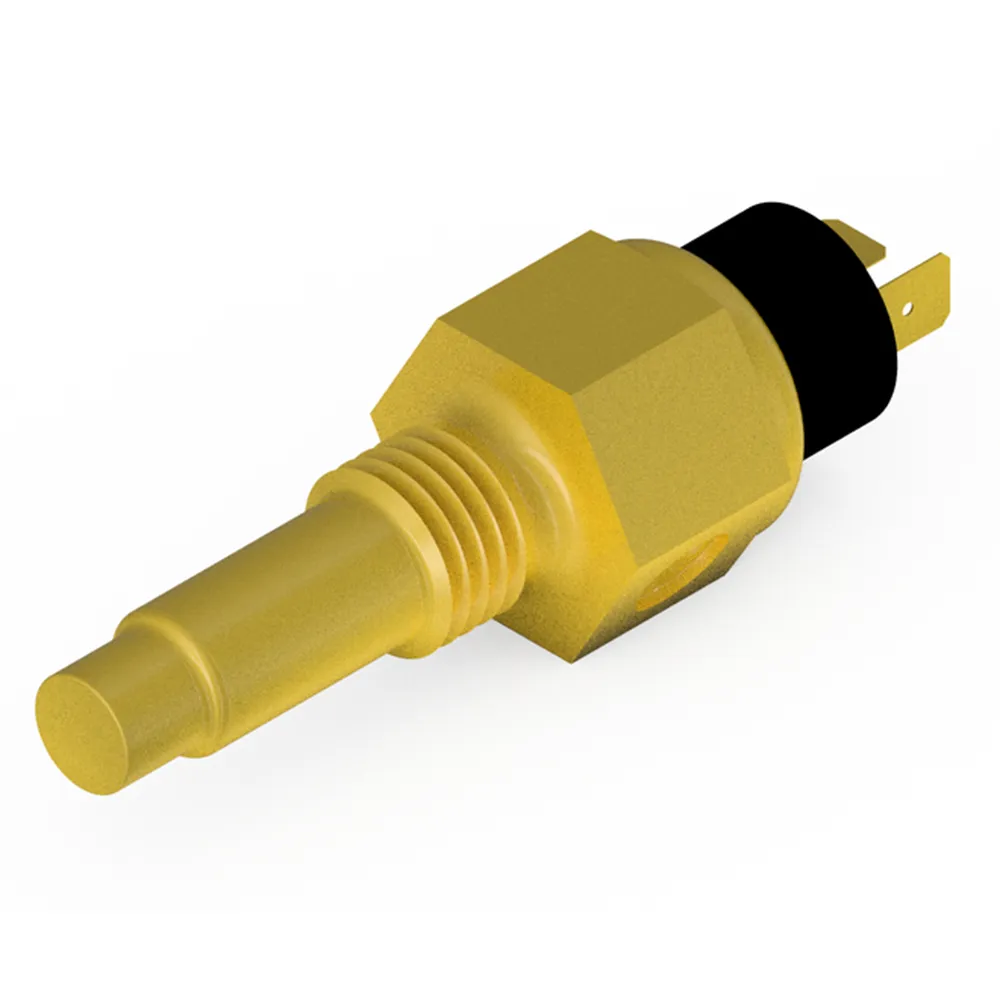
Coolant Temperature Sensor
MOOCAR Coolant Temperature Sensor provides real-time monitoring of engine temperature for optimal thermal management. MOOCAR Coolant Temperature Sensor production processes comply with IATF16949 and ISO14001…
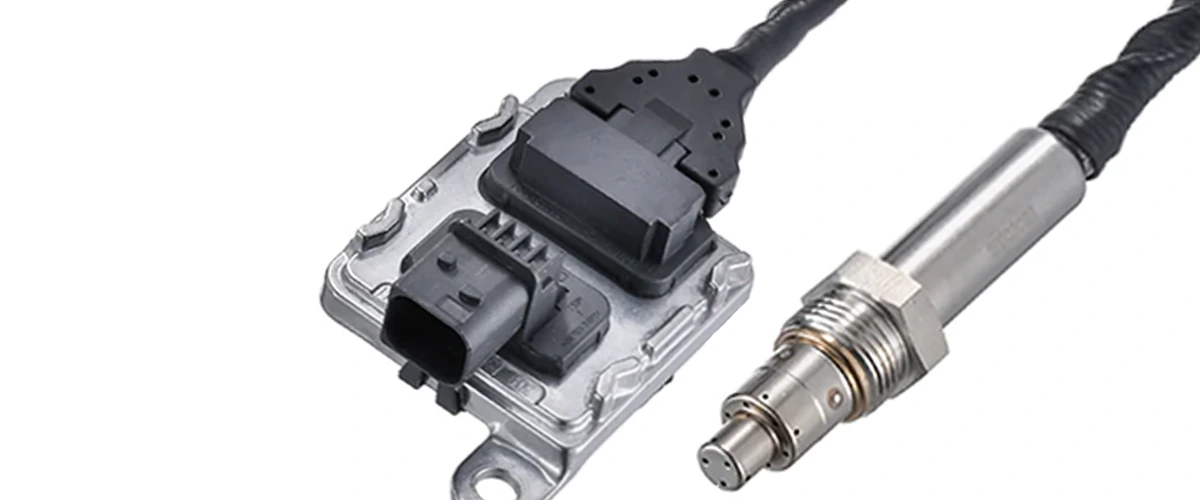
NOx Sensor
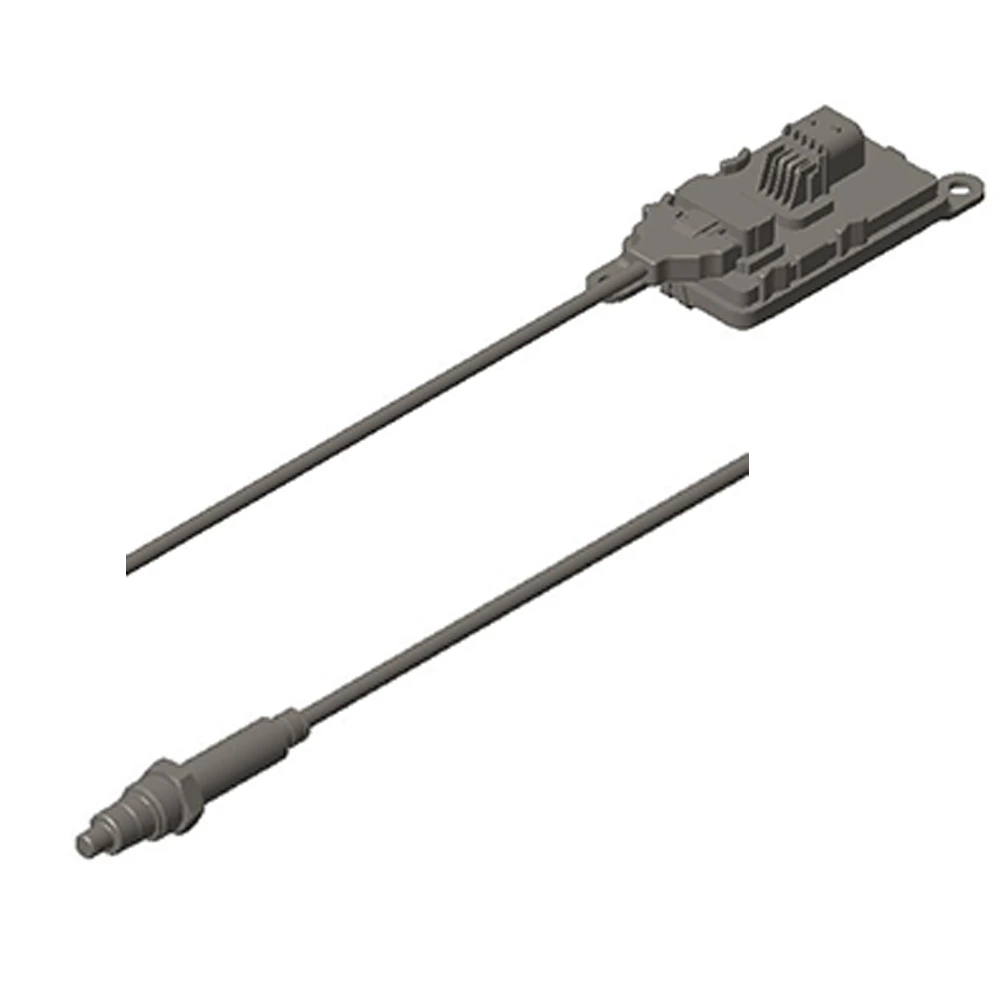
MOOCAR is dedicated to offering premium NOx sensor solutions that have been meticulously selected and tested. 1.MOOCAR NOx sensor employs state-of-the-art solid electrolyte and catalytic…
Camshaft & Crankshaft Sensor
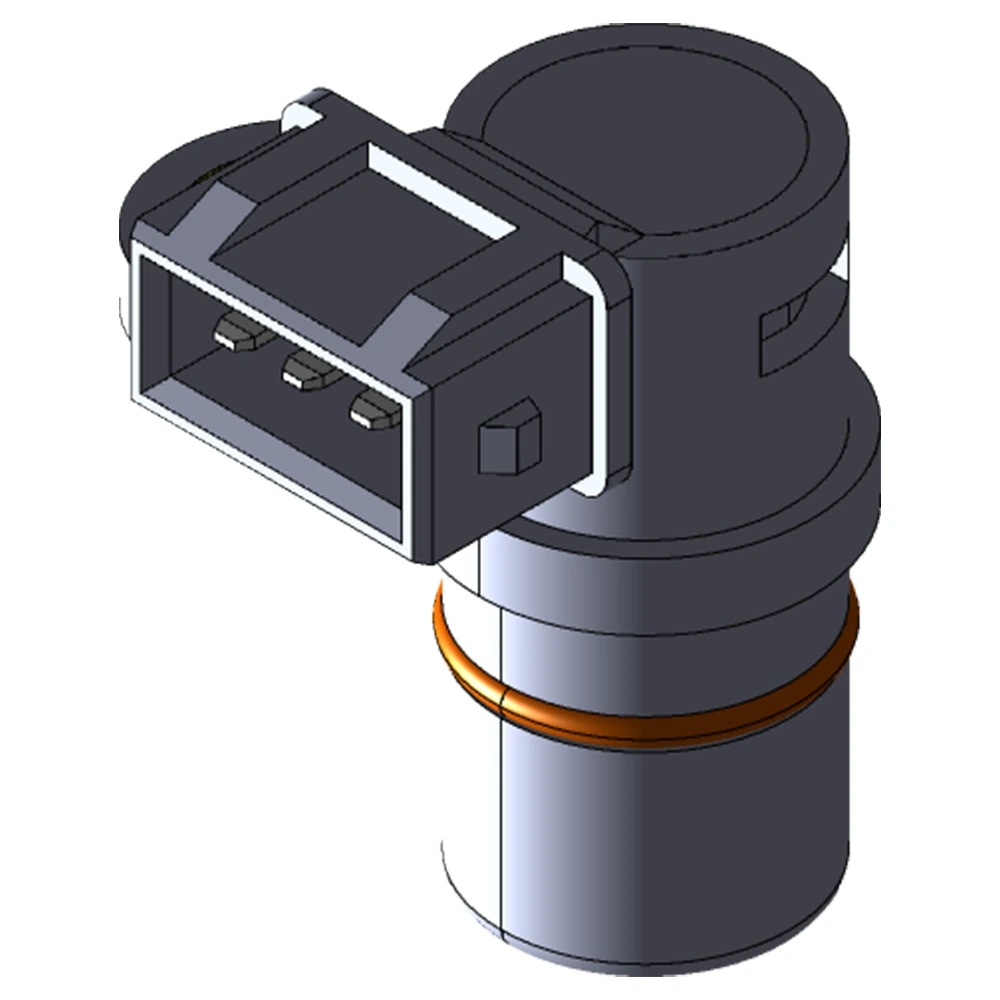
MOOCAR Camshaft & Crankshaft Sensor provides synchronized monitoring of engine timing for optimal performance. Its production processes comply with IATF16949 and ISO14001 standards, with performance…
Why Yaw Rate Sensors Fail: Root Causes, Warning Signs, and Repair Advice
Explore the top reasons yaw rate sensors fail in ESC and ADAS systems. Learn about MEMS drift, wiring faults, vibration damage, and how to diagnose…
Why Do Exhaust Gas Temperature Sensors Fail? Top Causes and Prevention
Discover the most common reasons EGT sensors fail in diesel and gasoline vehicles—thermal shock, wiring faults, contamination, and more—and learn how to prevent premature sensor…
How Distance Sensors Enable Predictive Driving in ACC Systems
Discover how ACC distance sensors use predictive algorithms to optimize speed, enhance safety, and improve fuel efficiency. Learn the technology behind traffic anticipation.